The global shift toward sustainable urban mobility has catalyzed an unprecedented demand for high-power charging infrastructure. As cities worldwide pledge to phase out internal combustion engine (ICE) buses by 2030-2040, the bottleneck is no longer the vehicles themselves, but the capacity of the charging network to keep them running efficiently. Modern electric bus fleets require Megawatt Charging Systems (MCS) and high-duty DC fast stations to minimize "refueling" downtime and maximize operational hours.
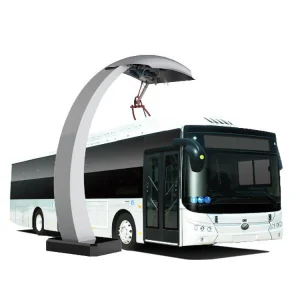
In Europe and North America, the focus is shifting from overnight "slow" charging in depots to "opportunity charging" along routes using automated pantographs and ultra-fast DC hubs. This transition requires sophisticated power electronics that can handle 350kW to 600kW per gun, ensuring a 20-minute turnaround for heavy-duty electric buses. The integration of Vehicle-to-Grid (V2G) technology is also becoming a standard requirement for industrial-grade stations, allowing bus depots to act as massive energy buffers for the local power grid.
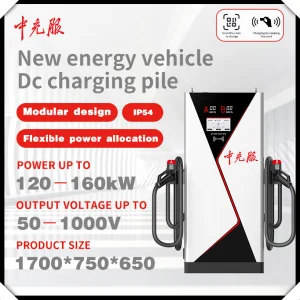
Our stations utilize SiC (Silicon Carbide) technology to achieve up to 97% efficiency, reducing energy loss and operational costs for fleet operators.
Full compatibility with OCPP 1.6J/2.0.1 protocols ensures seamless integration with global network management software and dynamic load balancing.
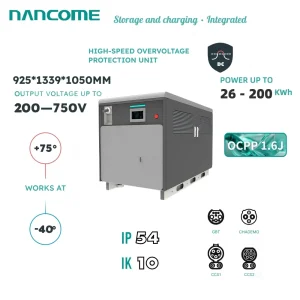
Built with IP55/IP65 ratings and IK10 impact resistance to withstand extreme environments from Siberian winters to Middle Eastern heat.
China stands at the epicenter of the EV charging revolution. As the world's largest producer and consumer of electric buses, Chinese factories have achieved a level of supply chain vertical integration that is unmatched globally. This provides international buyers with several distinct advantages:
Shenzhen Quantum Charge Co., Ltd. is a professional manufacturer specializing in DC fast EV charging solutions, delivering smart and high-power charging systems for the rapidly evolving electric mobility industry. With a strong commitment to innovation, efficiency, and sustainability, the company provides reliable charging infrastructure for commercial, public, and fleet applications worldwide.
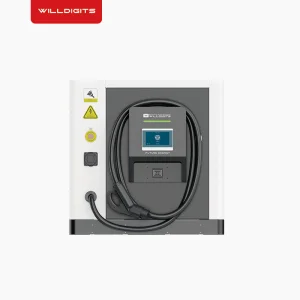
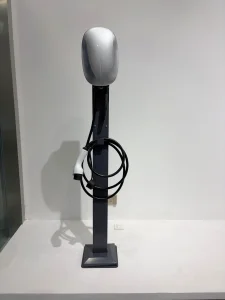
Quantum Charge offers a comprehensive portfolio of products, including high-power DC fast chargers, ultra-fast charging stations, integrated charging cabinets, and networked smart charging systems. Designed to support a wide range of electric vehicles, its solutions ensure fast charging speeds, stable performance, and seamless user experience across various operating environments.
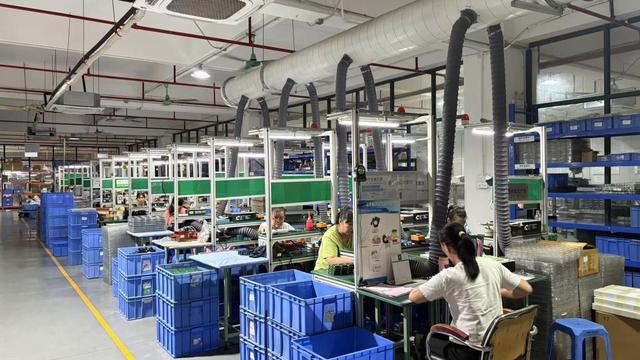
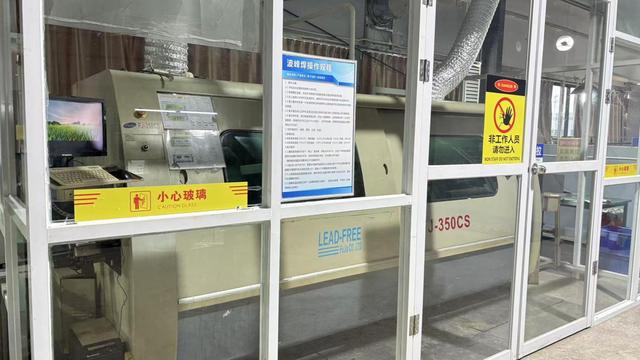
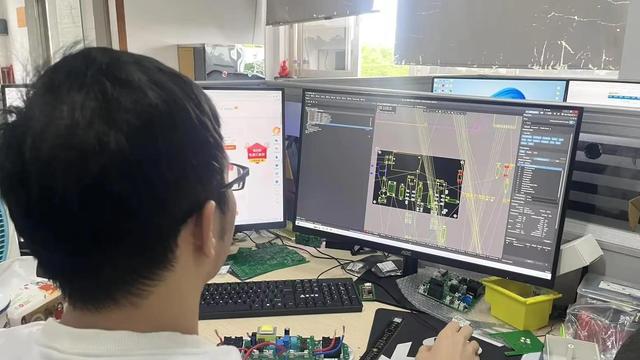
Driven by advanced R&D capabilities, the company integrates cutting-edge technologies such as intelligent energy management, IoT connectivity, and OCPP-compatible platforms. These features enable remote monitoring, data analysis, and efficient operation management, helping customers optimize energy usage and reduce operational costs.
Shenzhen Quantum Charge adheres to strict quality control standards and complies with international certifications to ensure safety, durability, and long-term reliability. The company also offers flexible OEM/ODM services to meet diverse global market requirements.
Inter-depot charging clusters that utilize night-time off-peak electricity to charge hundreds of buses, paired with dynamic load management to prevent grid overload.
24/7 continuous operation hubs requiring ultra-fast 240kW-480kW DC chargers for quick turnaround during passenger boarding cycles.
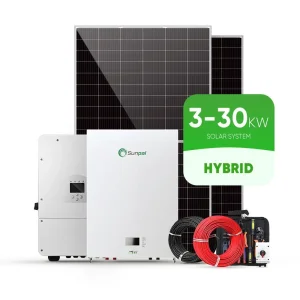
Integrated solar-storage-charging systems that allow logistics fleets to run on 100% renewable energy harvested from warehouse rooftops.
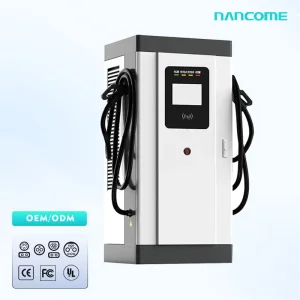
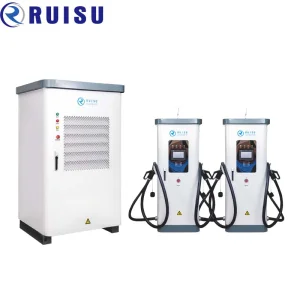
As the industry matures, Total Cost of Ownership (TCO) has become the primary metric for procurement. Global buyers are no longer just looking for the lowest upfront price; they are seeking reliability and modularity. The "Split-Type" charging system, where power modules are centralized in a cabinet away from the user terminal, is becoming the preferred architecture for large stations due to its ease of maintenance and noise reduction in urban areas.
Furthermore, the demand for Liquid-Cooled Terminals is skyrocketing. To deliver currents above 500A, traditional cables become too heavy for human operators. Liquid cooling allows for thinner, lighter cables that can deliver 500kW+ power safely, making it essential for the next generation of electric bus fast-charging stations.
 Quantum Charge