As the world pivots toward sustainable transportation, the demand for High Availability Charging Stations has evolved from a luxury to a critical industrial necessity. "High Availability" in the context of EV infrastructure refers to systems designed for maximum uptime, minimal maintenance, and the ability to serve heavy traffic without failure. Currently, the global market is witnessing a massive transition from basic AC chargers to ultra-fast DC charging networks, driven by both government mandates and consumer expectations for "refueling-like" speeds.
Europe and North America are rapidly expanding their DC fast-charging networks along highways, while Asia continues to lead in total volume and technological integration of microgrids.
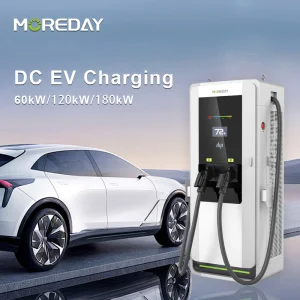
The industrial EV charger market is projected to grow at a CAGR of over 25% through 2030, with a specific focus on 120kW+ power outputs for commercial fleets.
Liquid cooling and silicon carbide (SiC) modules are becoming the industry standard to handle higher power densities without compromising on hardware longevity.
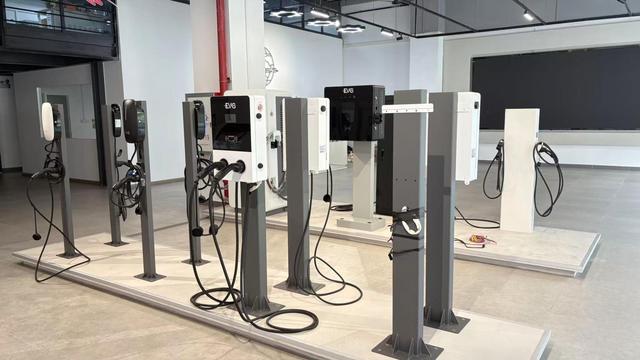
Shenzhen Quantum Charge Co., Ltd. stands at the forefront of this revolution. As a professional manufacturer specializing in DC fast EV charging solutions, we deliver smart and high-power charging systems for the rapidly evolving electric mobility industry. With a strong commitment to innovation, efficiency, and sustainability, we provide reliable charging infrastructure for commercial, public, and fleet applications worldwide.
Modern charging stations are no longer passive hardware. Our Intelligent Power Scheduling Charging System uses AI algorithms to balance load between multiple terminals. This ensures that when a 480kW split system is installed in a shopping mall, the grid isn't overwhelmed, yet every vehicle receives the maximum possible current based on its battery state.
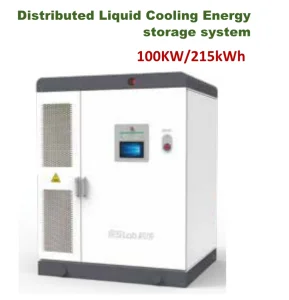
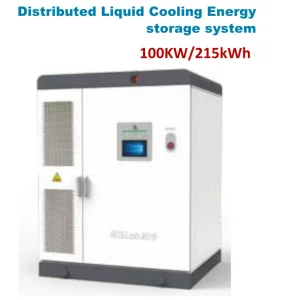
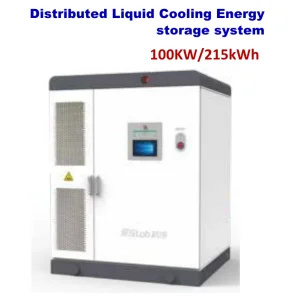
High availability means being able to charge at peak speeds even in extreme temperatures. Our 100kW Distributed Liquid Cooled Energy Storage systems allow sites to store energy during off-peak hours and discharge it during high-demand periods, reducing operational costs and grid stress.
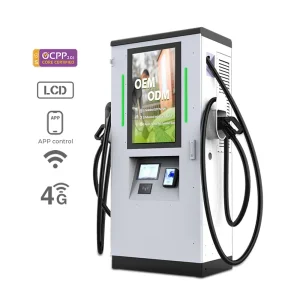
Connectivity is the backbone of reliability. By integrating OCPP 1.6/2.0, our stations allow operators to monitor health metrics in real-time, perform remote diagnostics, and update firmware over-the-air (OTA). This proactive maintenance model reduces "out-of-order" signs and ensures a seamless user experience.
The future involves vehicles feeding energy back into the grid. Our R&D teams are optimizing the bidirectional flow of energy, turning parked EVs into mobile power plants that contribute to grid stability.
Global enterprises, from logistics giants to municipal governments, have specific procurement needs that prioritize Scalability, Compliance, and Total Cost of Ownership (TCO). As an experienced exporter, we understand that a charging station in Norway faces different challenges than one in Dubai.
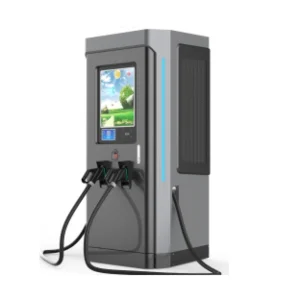
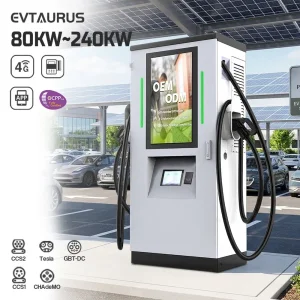
Requiring POS advertising screens and high-aesthetic designs like our 120kW-180kW units to attract premium EV drivers.
Heavy-duty Pantograph charging and ultra-high power (500kW+) solutions for electric bus fleets requiring rapid turnaround.
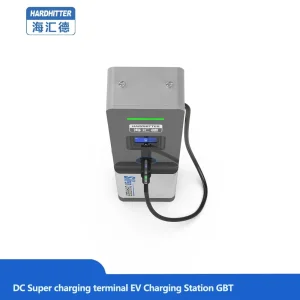
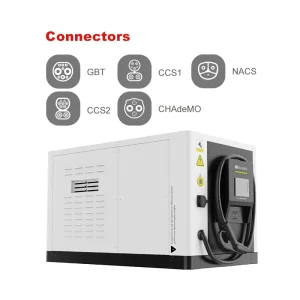
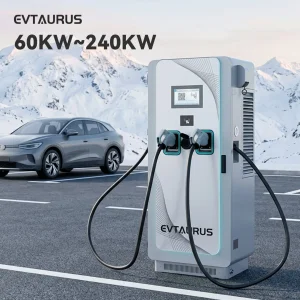
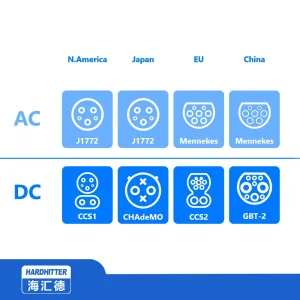
High-availability dual CCS2 connectors that provide redundancy—if one gun is in use, the other remains fully functional.
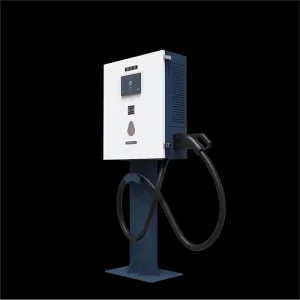
Portable DC chargers (30kW-60kW) for flexible fleet management and roadside emergency recovery services.
Shenzhen, often called the "Silicon Valley of Hardware," provides us with an unparalleled ecosystem for R&D. Shenzhen Quantum Charge Co., Ltd. leverages this advantage to offer:
Our solutions ensure fast charging speeds, stable performance, and a seamless user experience across various operating environments. We help customers optimize energy usage and reduce operational costs through data-driven operation management.
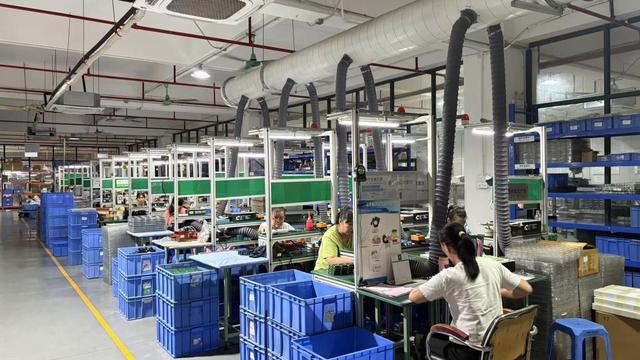

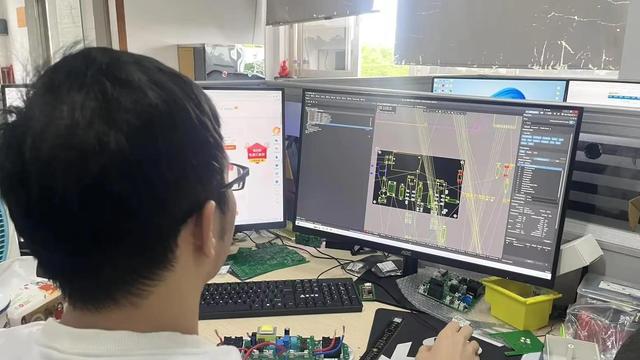
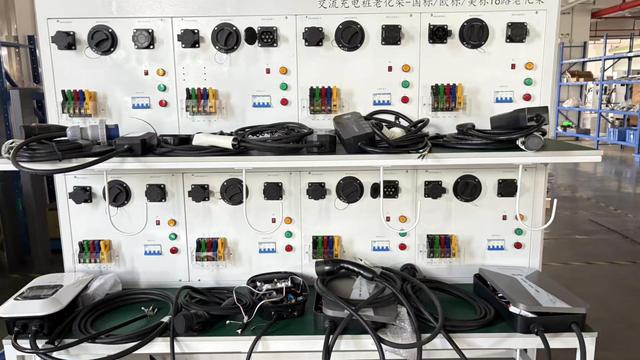
With a growing global footprint, Quantum Charge continues to empower the transition to clean energy by providing scalable, efficient, and future-ready EV charging solutions. Our manufacturing facility integrates the latest in automated assembly and stress-testing protocols, ensuring each unit meets the high availability standards required for public infrastructure.



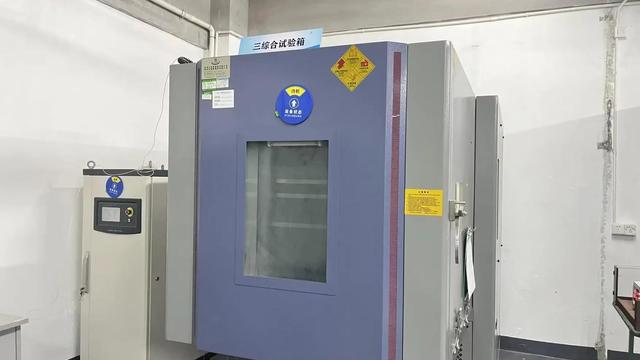

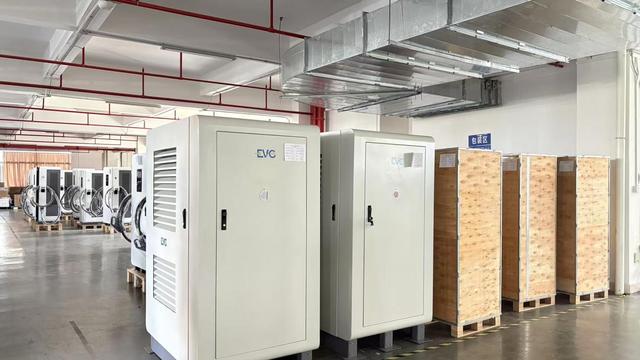
 Quantum Charge