As the world pivots toward net-zero emissions, the convergence of Hydrogen Fuel Cell technology and electric vehicle (EV) charging infrastructure represents the vanguard of industrial energy transformation. While battery-electric vehicles (BEVs) dominate the passenger car market, Hydrogen Fuel Cell solutions are emerging as the definitive answer for heavy-duty transport, maritime logistics, and remote industrial power.
The global hydrogen economy is projected to reach a multi-trillion dollar valuation by 2050. Leading this charge is the integration of fuel cell systems into modular charging stations, providing "Zero-Grid" charging capabilities where traditional electrical infrastructure is absent or insufficient.
China has established itself as the global epicenter for energy infrastructure manufacturing. For international enterprises seeking Hydrogen Fuel Cell Charging Solutions, Chinese manufacturers offer unparalleled advantages in supply chain resilience and technological iteration.
From PEM (Proton Exchange Membrane) stacks to high-frequency DC converters, China's ecosystem allows for rapid prototyping and mass production with localized component sourcing.
Leveraging AI-driven design and IoT connectivity (OCPP 2.0.1 compliance), we reduce the time-to-market for bespoke industrial charging solutions by 40% compared to Western counterparts.
Adhering to TUV, CE, and UL standards ensures that every exported unit meets the highest safety protocols required for hazardous hydrogen environments.
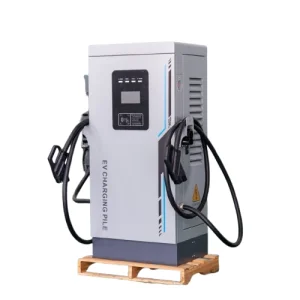
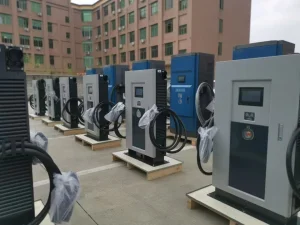
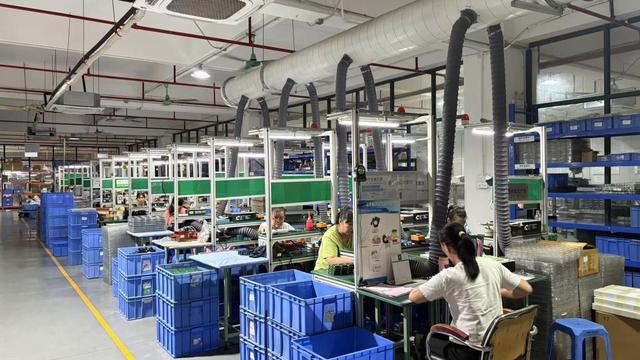
Shenzhen Quantum Charge Co., Ltd. is a professional manufacturer specializing in DC fast EV charging solutions, delivering smart and high-power charging systems for the rapidly evolving electric mobility industry. With a strong commitment to innovation, efficiency, and sustainability, the company provides reliable charging infrastructure for commercial, public, and fleet applications worldwide.
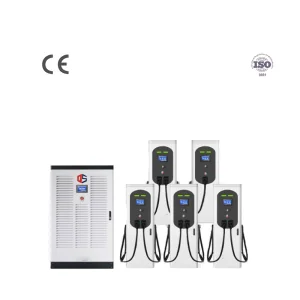
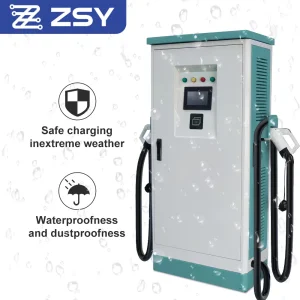
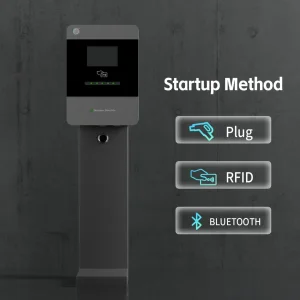
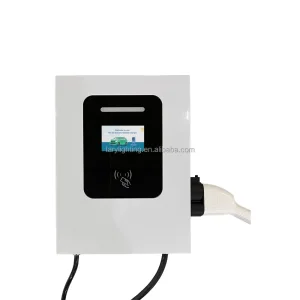
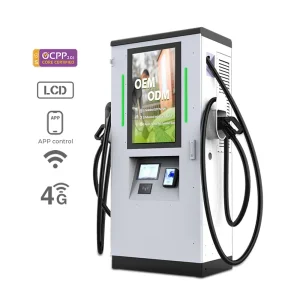
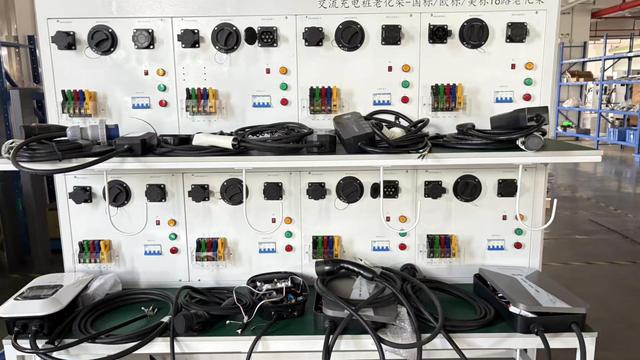
Quantum Charge offers a comprehensive portfolio of products, including high-power DC fast chargers, ultra-fast charging stations, integrated charging cabinets, and networked smart charging systems. Designed to support a wide range of electric vehicles, its solutions ensure fast charging speeds, stable performance, and seamless user experience across various operating environments.
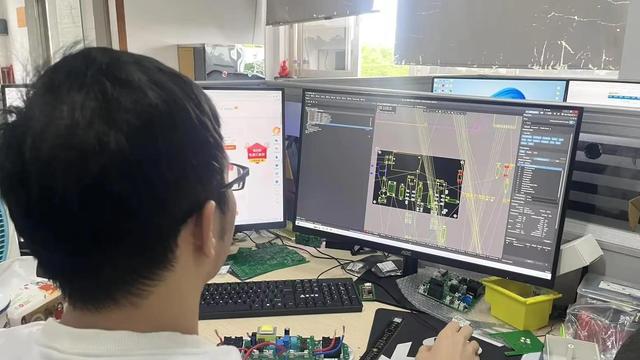
Driven by advanced R&D capabilities, the company integrates cutting-edge technologies such as intelligent energy management, IoT connectivity, and OCPP-compatible platforms. These features enable remote monitoring, data analysis, and efficient operation management, helping customers optimize energy usage and reduce operational costs.
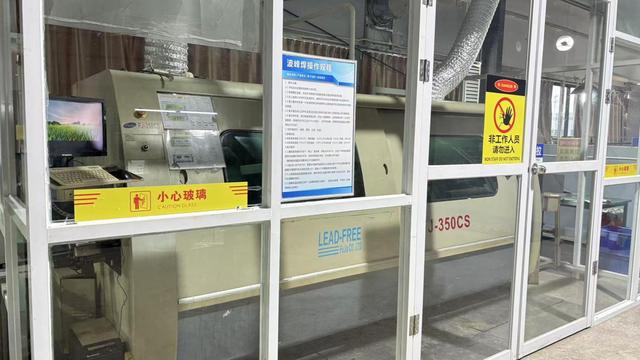
Shenzhen Quantum Charge adheres to strict quality control standards and complies with international certifications to ensure safety, durability, and long-term reliability. The company also offers flexible OEM/ODM services to meet diverse global market requirements. With a growing global footprint, Quantum Charge continues to empower the transition to clean energy by providing scalable, efficient, and future-ready EV charging solutions for modern transportation infrastructure.

Hydrogen-powered charging hubs at deep-water ports allow for the 24/7 operation of automated guided vehicles (AGVs) and heavy-duty trucks without the 8-hour downtime required for traditional battery swaps.
In locations where the grid cannot reach, our Hydrogen Fuel Cell mobile charging units provide a clean, silent alternative to diesel generators, ensuring zero-emission power for electric heavy machinery.
Our integrated systems act as a critical backup for hospitals and data centers, where hydrogen storage provides longer-duration energy security compared to lithium-ion batteries.
The procurement landscape for 2024 and beyond focuses on "Sector Coupling"—the ability to link renewable energy production (Solar/Wind) directly to Hydrogen generation and subsequent vehicle charging. Global enterprises are no longer looking for standalone chargers; they are seeking integrated energy management systems (EMS).
✅ Does the manufacturer support OCPP 2.0.1 for global software compatibility?
✅ Is there a proven track record of thermal management in extreme climates?
✅ What are the maintenance cycles for fuel cell stacks vs. traditional electronics?
✅ Are remote diagnostic and AI predictive maintenance tools included?
The primary benefit is independence from the electrical grid. It allows for high-power DC charging in remote areas or locations with limited power capacity, while also serving as a long-duration energy storage solution that doesn't degrade like batteries.
Our systems incorporate multi-layer safety protocols, including hydrogen leak sensors, automated shut-off valves, fire suppression systems, and explosion-proof enclosures, all meeting international ISO 22734 standards.
Yes. Our "Energy Hub" architecture is designed for sector coupling. It can take excess solar energy to power an electrolyzer for hydrogen production, which is then stored and converted back to electricity via fuel cells for vehicle charging when needed.
Our industrial-grade fuel cell stacks are designed for 20,000 to 30,000 operational hours. With regular maintenance of filters and cooling systems, the overall station infrastructure has a design life of 15-20 years.
 Quantum Charge