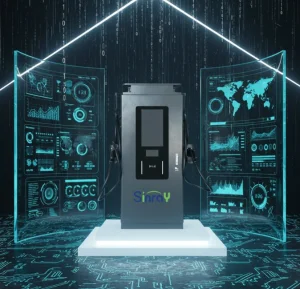
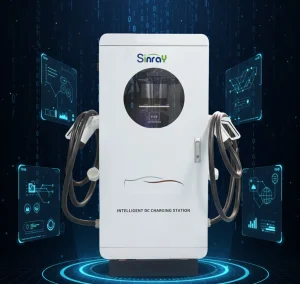
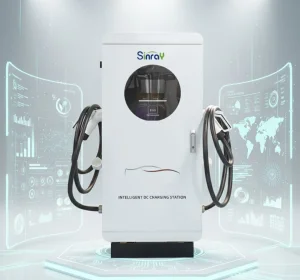
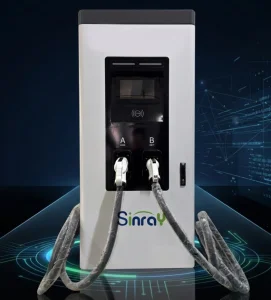
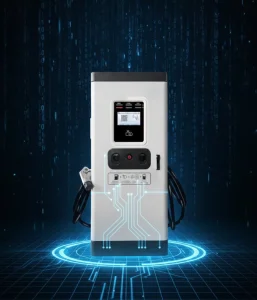
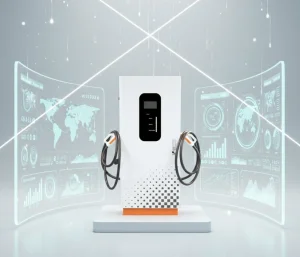
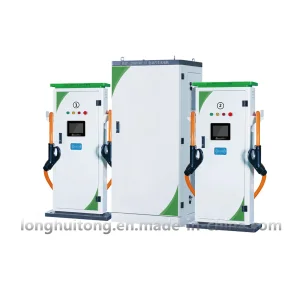
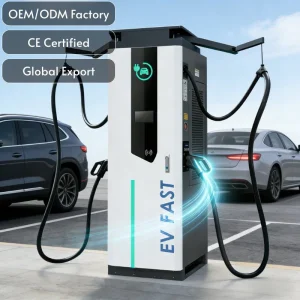
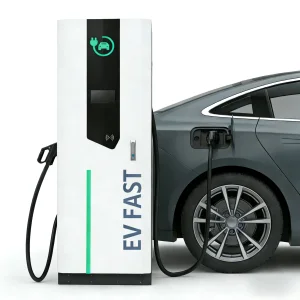
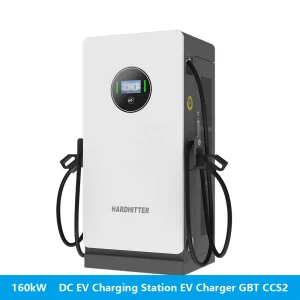
High-reliability dual-outlet DC fast chargers customized for the unique environmental and electrical network specifications of Malabo, Bata, and regional industrial hubs.
Analyzing the convergence of infrastructure investments, urban expansion, and green technology deployment in Central Africa’s oil-producing gateway.
Equatorial Guinea is currently implementing ambitious economic diversification initiatives guided by its National Development Plan. The transition of the country's transportation infrastructure to sustainable alternatives presents a strategic opportunity to reduce domestic oil dependency while expanding the municipal power grid's utilization rate. Particularly in dense urban centers like Malabo (Bioko Island) and Bata (Río Muni), alongside major logistics corridors connecting ports like Luba and Cogo, there is a clear imperative for robust and reliable public electric vehicle supply equipment (EVSE).
The local climate is characterized by high ambient temperatures, sustained tropical humidity, and coastal saline atmospheres (salt mist). Standard EV chargers designed for temperate climates are highly vulnerable to premature component degradation, insulation breakdown, and power electronics failures in these regions. Therefore, selecting heavy-duty, industrial-grade Dual-Gun DC Fast Charging Systems is not merely a matter of power delivery but a necessity for ensuring operational longevity and return on investment (ROI).
Equatorial Guinea's electrical network experiences voltage fluctuations and reactive power loads. Our dual-gun chargers integrate advanced active power filter (APF) and reactive power compensation modules, protecting both the vehicle and the grid.
Dual-gun fast chargers utilize dynamic matrix switching logic. When two vehicles charge simultaneously, the charger intelligently distributes the output (e.g., 180kW split into 90kW+90kW or adjusted according to vehicle state of charge), maximizing throughput.
Flexible power architecture designs capable of scalable output, from public commercial hubs to depot charging terminals.
Why environmental hardening and smart grid interfaces are vital for Equatorial Guinea's EV infrastructure success.
Deploying charging stations in Central Africa demands deep engineering customization. Thermal management represents the single largest bottleneck for high-power DC charging. As charging speed increases, electrical resistance within the power modules generates significant heat. Standard air cooling loops draw in warm, moisture-laden coastal air, resulting in accelerated corrosion of PCB tracks and electrical contacts.
Our dual-gun DC charging stations integrate isolated cooling channels and high-performance heat exchangers. By separating the sensitive electronics chamber from the airflow path, we prevent salt-mist ingress and moisture accumulation. Additionally, the outer shell is treated with C5-M level anti-corrosion coating, rendering it highly resistant to the humid marine climate of Bioko Island.
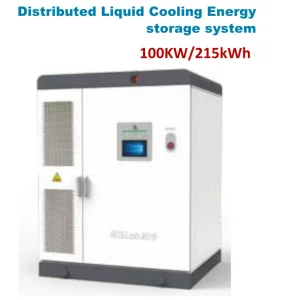
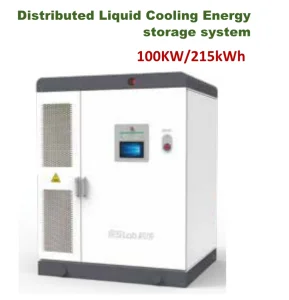
Looking to the future, our engineering roadmap for Equatorial Guinea incorporates integrated Solar-BESS-EV Charging solutions. Because local municipal power grids in remote towns might lack the short-circuit capacity required to support multiple fast chargers drawing 120kW+ simultaneously, deploying battery energy storage systems (BESS) alongside fast chargers buffers the grid. During low-demand periods, the BESS slowly charges from solar or grid energy; during high-demand periods, it discharges alongside the grid to feed the dual-gun DC fast chargers, avoiding local voltage sags.
Native compatibility with DC-coupled solar microgrids and distributed battery storage arrays, enabling true net-zero green transport corridors.
Equipped with multi-point temperature sensors at charging gun contacts, automated emergency-off (EPO) circuits, and built-in fire suppression system options.
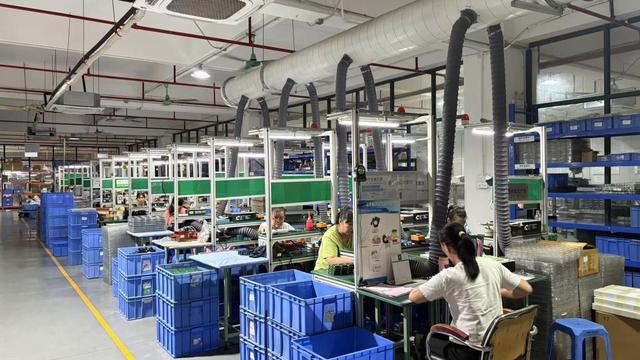
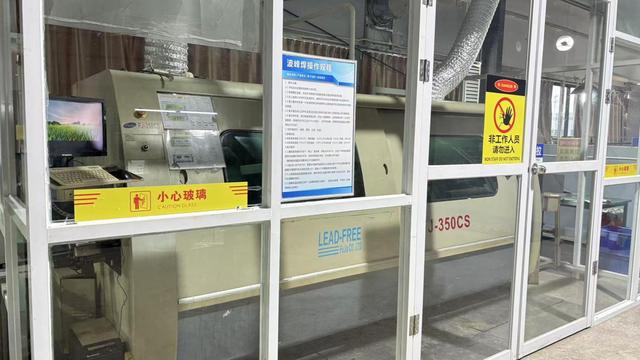
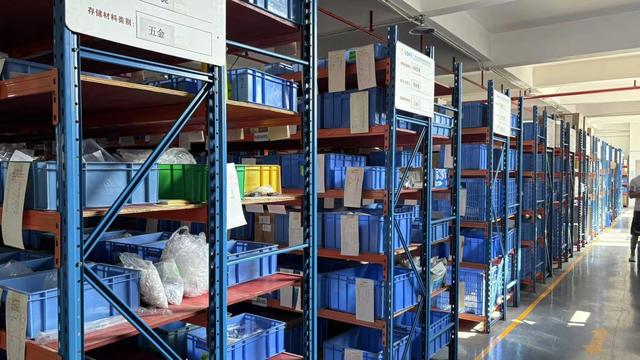
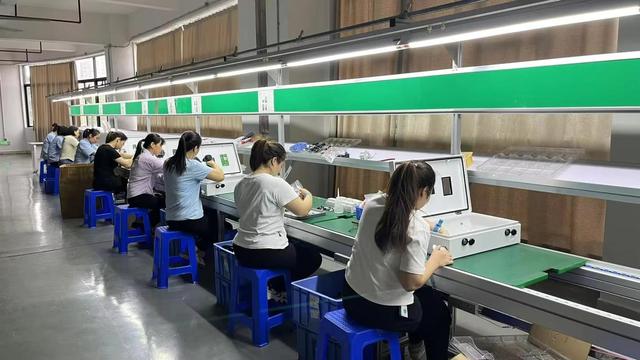
Ensuring global-standard components, consistent supply velocity, and extensive quality control from our Shenzhen production plant.
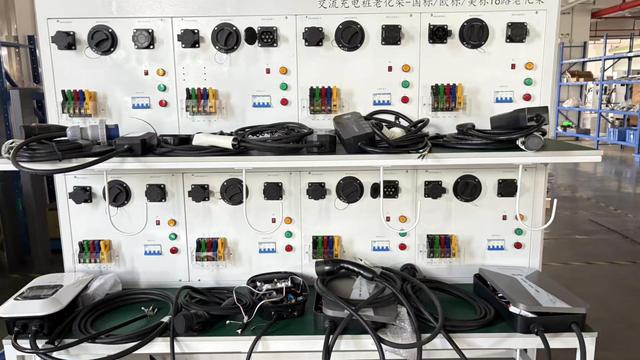
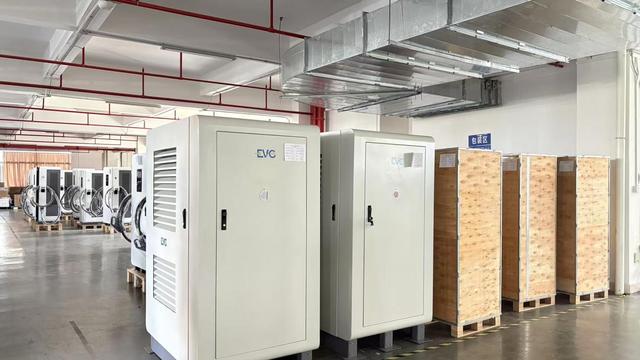
As a leading exporter of EV charging equipment, Shenzhen Quantum Charge Co., Ltd. capitalizes on Shenzhen's dense hardware ecosystem to secure top-tier power electronics, power modules, and DSP microprocessors. Our manufacturing infrastructure operates under stringent quality control procedures, guaranteeing that each dual-gun DC fast charging station meets or exceeds IEC/CE safety protocols before shipment to Central Africa.
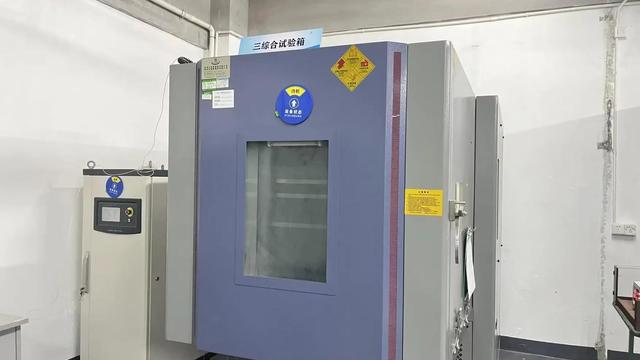
Our vertically integrated supply chain enables rapid component sourcing, reducing turnaround times from order confirmation to export shipment. In addition, every batch of power units undergoes prolonged full-load thermal chamber testing to simulate peak operations in hot climates. By using only premium silicon carbide (SiC) or field-effect transistors (IGBTs) from trusted semiconductor partners, we achieve a module conversion efficiency of over 95%, reducing operating overheads and minimizing heat loss.
Shenzhen Quantum Charge Co., Ltd. is a professional manufacturer specializing in DC fast EV charging solutions, delivering smart and high-power charging systems for the rapidly evolving electric mobility industry. With a strong commitment to innovation, efficiency, and sustainability, the company provides reliable charging infrastructure for commercial, public, and fleet applications worldwide.
Quantum Charge offers a comprehensive portfolio of products, including high-power DC fast chargers, ultra-fast charging stations, integrated charging cabinets, and networked smart charging systems. Designed to support a wide range of electric vehicles, its solutions ensure fast charging speeds, stable performance, and seamless user experience across various operating environments.
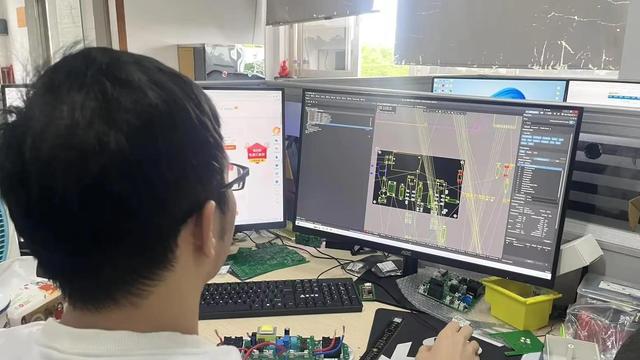
Driven by advanced R&D capabilities, the company integrates cutting-edge technologies such as intelligent energy management, IoT connectivity, and OCPP-compatible platforms. These features enable remote monitoring, data analysis, and efficient operation management, helping customers optimize energy usage and reduce operational costs.
Shenzhen Quantum Charge adheres to strict quality control standards and complies with international certifications to ensure safety, durability, and long-term reliability. The company also offers flexible OEM/ODM services to meet diverse global market requirements.
With a growing global footprint, Quantum Charge continues to empower the transition to clean energy by providing scalable, efficient, and future-ready EV charging solutions for modern transportation infrastructure.


Ensuring full interoperability and local standard conformity across complex charging network topologies.
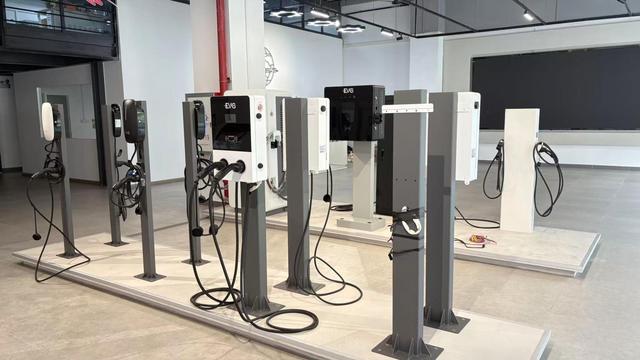
The global EV transition relies on standardized communication interfaces. Dual-gun systems address the challenge of fleet fragmentation by supporting multiple connector configurations, including CCS1, CCS2, CHAdeMO, and GBT. For the Equatorial Guinean market, our standard configuration integrates dual CCS2 outlets (the primary standard across European and African imports) or mixed CCS2/GBT setups to match commercial logistics fleets sourced from various manufacturing centers.
Our software layer integrates seamlessly with remote cloud-based platforms utilizing OCPP 1.6J and 2.0.1 protocols. This allows municipal operators and private network providers in Bata or Malabo to track energy consumption, manage user authentication, update pricing schemas, and perform OTA firmware diagnostics. The integration of 4G/LTE modems with fallback to GPRS ensures that network interruptions do not disrupt payment processing or charger access.
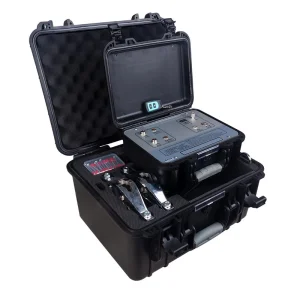
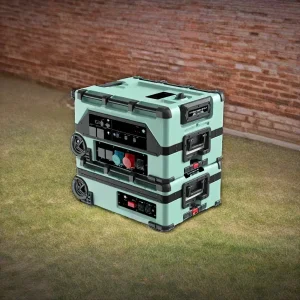
A comprehensive overview of grid diagnostic tools, megawatt charging configurations, and high-capacity backup battery stations to support Equatorial Guinean energy systems.
Get professional technical and logistics insights regarding importing, deploying, and operating DC fast chargers.
 Quantum Charge