Driving the Future of EV Infrastructure with High-Efficiency, Smart-Grid Integrated Payment Solutions
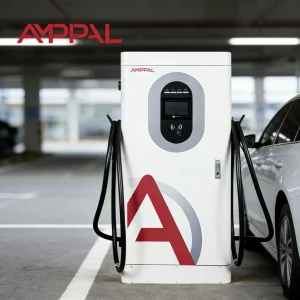
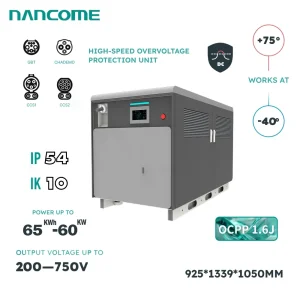
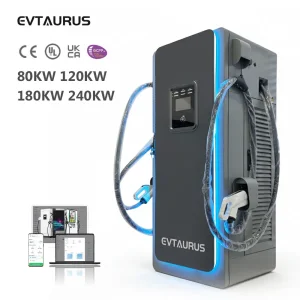
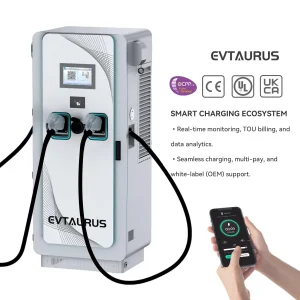
The transition to electric mobility is no longer just about the hardware—the charger. It is about the *transaction*. As an SEO strategist focusing on high-intent B2B procurement, we recognize that the "Advanced Charging Payment Solution" market has shifted from basic hardware manufacturing to complex, software-driven ecosystem integration. Modern infrastructure requires OCPP (Open Charge Point Protocol) compliance, multi-protocol compatibility (CCS2, GB/T, CHAdeMO), and seamless integration with RFID/NFC, mobile apps, and cloud-based credit card processing gateways.
From an industrial perspective, the "China advantage" in the EV charging sector is rooted in vertical integration and rapid iteration. Unlike Western counterparts that often struggle with high overheads and rigid manufacturing timelines, Chinese factories leverage:
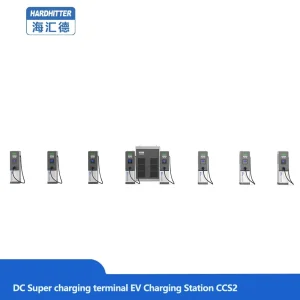
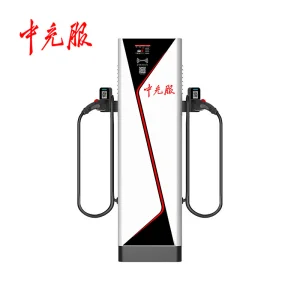
Optimized for depot charging with load balancing to reduce utility costs, featuring heavy-duty connectors for 24/7 reliability.
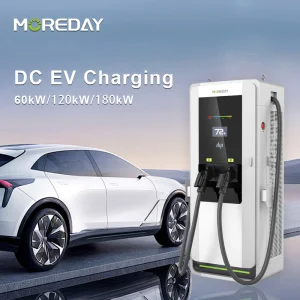
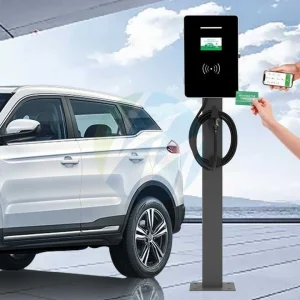
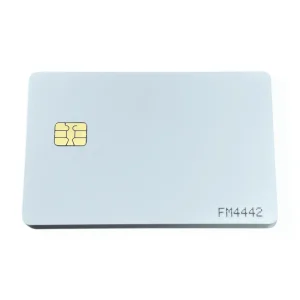
Requires robust payment infrastructure, including NFC/RFID and credit card readers to facilitate "pay-as-you-go" models for urban drivers.
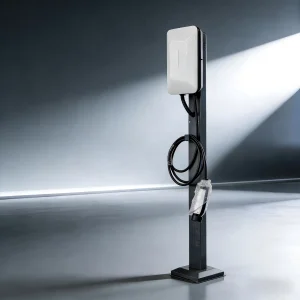
Focuses on smart connectivity, QR-code based billing, and energy efficiency, allowing individual users to track charging costs via private apps.
The industry is moving toward "Energy-as-a-Service." Key trends include:
When sourcing advanced charging payment solutions, enterprise buyers must look beyond the "sticker price." E-E-A-T (Experience, Expertise, Authoritativeness, Trustworthiness) criteria should be applied to the supplier relationship:
Q: How do integrated payment systems improve ROI for charging station owners?
A: Automated payment systems reduce operational overhead and eliminate the risk of non-payment, while real-time data allows for dynamic pricing based on peak energy demand hours.
Q: Are these chargers compatible with all EV models?
A: Most modern smart chargers are multi-protocol compatible (supporting CCS2, GB/T, NACS), ensuring that they can serve a diverse range of vehicles, from commercial fleets to private consumer EVs.
Q: What is the importance of OCPP compliance?
A: OCPP (Open Charge Point Protocol) allows your charging station to communicate with any Central Management System (CMS), ensuring your infrastructure is future-proof and vendor-agnostic.
 Quantum Charge