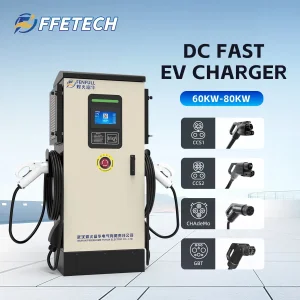
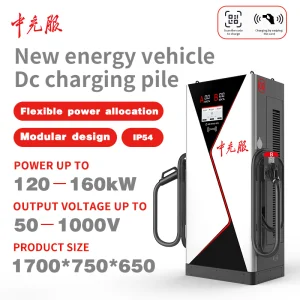
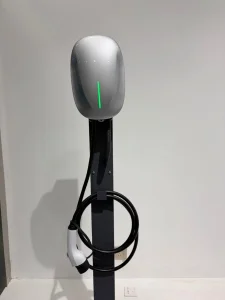
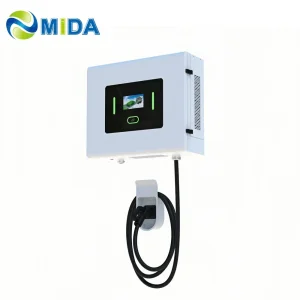
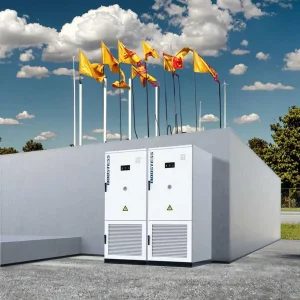
Explore our specialized heavy-duty transport charging infrastructure, solar hybrid converters, and high-capacity battery units engineered for robust grid operation.

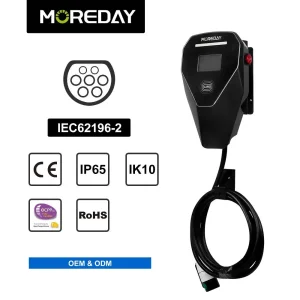
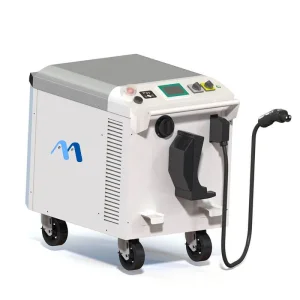
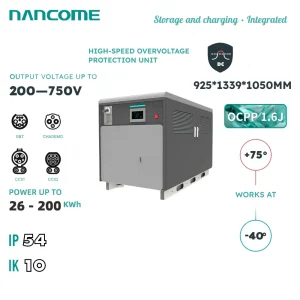

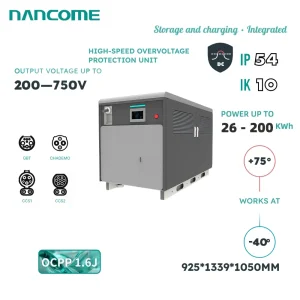
The global transition to electrification has reached an inflection point where grid capacities and charger operational downtimes are coming under critical scrutiny. In commercial and industrial settings, fleet utilization relies heavily on minimizing idle times. Battery Swap Stations (BSS) are stepping in as the dominant paradigm shift, transforming refuel times from the 30-to-90-minute fast charging window down to a highly competitive 3-to-5 minutes. This performance metric rivals legacy combustion engine refueling and directly improves fleet operator productivity.
Internationally, BSS tech is gaining momentum. Heavy transport corridors in the EU, heavy-duty logistics mines in Latin America, and metropolitan taxi fleets in South-East Asia are migrating to centralized battery swap configurations. For urban distribution vehicles, municipal bus systems, and ride-hailing services, swapping stations serve a dual purpose: they dramatically extend vehicle lifecycle utility by regulating battery health, and they function as vital nodes in urban energy systems. The integration of Battery Energy Storage Systems (BESS) within these swap setups allows operators to engage in peak shaving, grid balancing, and localized microgrid power generation.
As the epicenter of battery material refining and advanced robotics fabrication, China is uniquely positioned as the undisputed leader in battery swapping station manufacturing. Chinese manufacturers draw upon an incredibly consolidated supply chain. From the base chemistry of Lithium Iron Phosphate (LFP) and Lithium Nickel Manganese Cobalt Oxide (NMC) cells to state-of-the-art PLC programmable logic controllers and heavy-duty robotic arms, every element is designed, refined, and fabricated in close proximity.
Furthermore, Chinese suppliers enjoy significant economies of scale, translating to highly competitive Capital Expenditures (CAPEX) for global buyers. Production capabilities include:
Deploying a battery swap station is not a one-size-fits-all endeavor; it requires deep customization relative to target regional markets and operational environments. B2B operators utilize varying configurations based on local parameters:
Designed for ride-hailing networks and municipal taxi fleets. Typically configured with compact footprints, featuring 20 to 40 battery bays, and boasting high daily throughput capacities to service over 300 swap events per day.
Heavy-duty stations engineered specifically for Class 8 trucks, dumper vehicles, and heavy logistics carriers. These stations utilize overhead crane systems capable of lifting and swapping modules weighing up to 3 metric tons.
Integrated with solar PV arrays, wind turbines, and containerized BESS. These systems are highly popular in remote regions where high-voltage utility grid connections are unavailable or unstable.
Shenzhen Quantum Charge Co., Ltd. is a professional manufacturer specializing in DC fast EV charging solutions, delivering smart and high-power charging systems for the rapidly evolving electric mobility industry. With a strong commitment to innovation, efficiency, and sustainability, the company provides reliable charging infrastructure for commercial, public, and fleet applications worldwide.
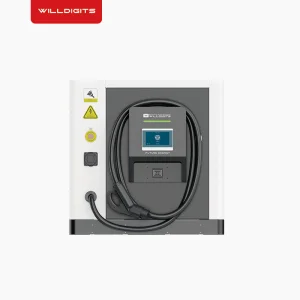
Quantum Charge offers a comprehensive portfolio of products, including high-power DC fast chargers, ultra-fast charging stations, integrated charging cabinets, and networked smart charging systems. Designed to support a wide range of electric vehicles, its solutions ensure fast charging speeds, stable performance, and seamless user experience across various operating environments.
Driven by advanced R&D capabilities, the company integrates cutting-edge technologies such as intelligent energy management, IoT connectivity, and OCPP-compatible platforms. These features enable remote monitoring, data analysis, and efficient operation management, helping customers optimize energy usage and reduce operational costs.
Shenzhen Quantum Charge adheres to strict quality control standards and complies with international certifications to ensure safety, durability, and long-term reliability. The company also offers flexible OEM/ODM services to meet diverse global market requirements.
With a growing global footprint, Quantum Charge continues to empower the transition to clean energy by providing scalable, efficient, and future-ready EV charging solutions for modern transportation infrastructure.
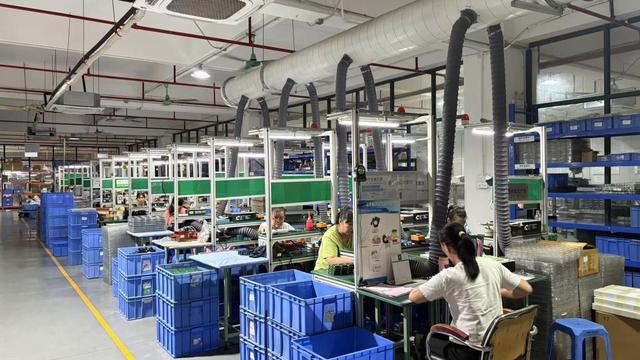
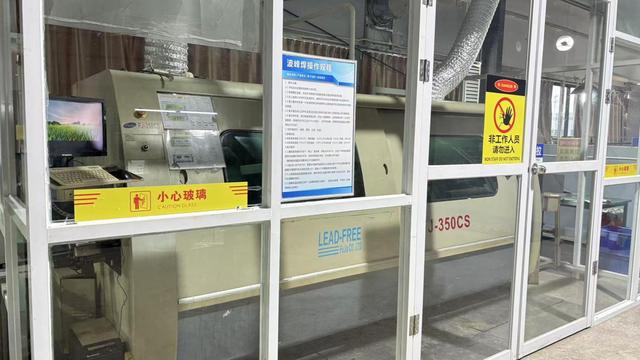
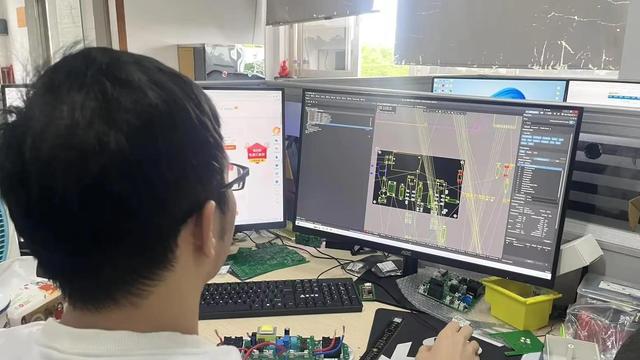
Take an inside look at our state-of-the-art laboratory facilities, high-power cabinet testing stations, and certified production floors ensuring zero-defect dispatches.
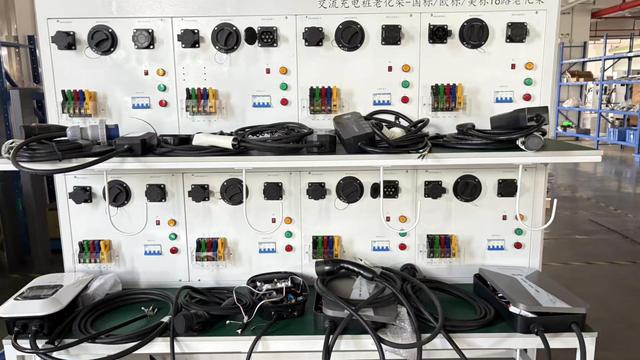
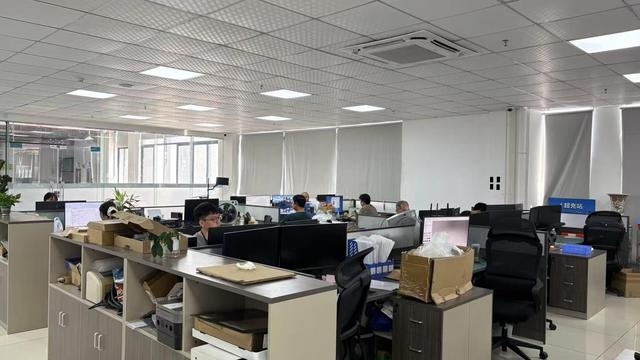
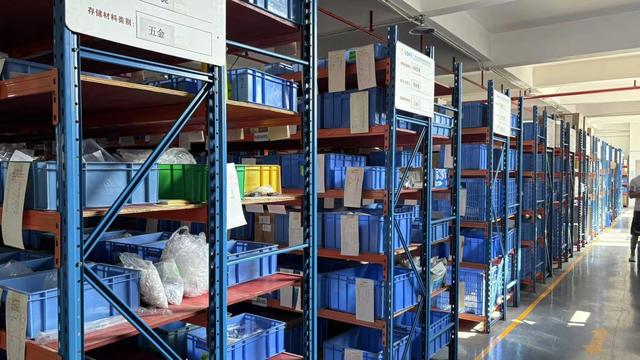
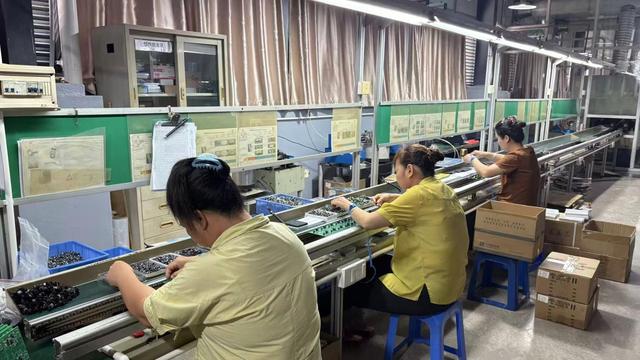
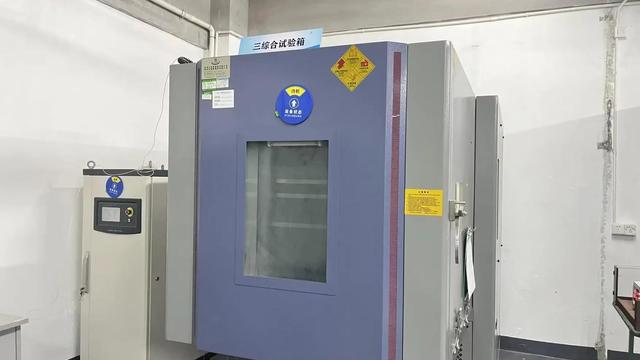
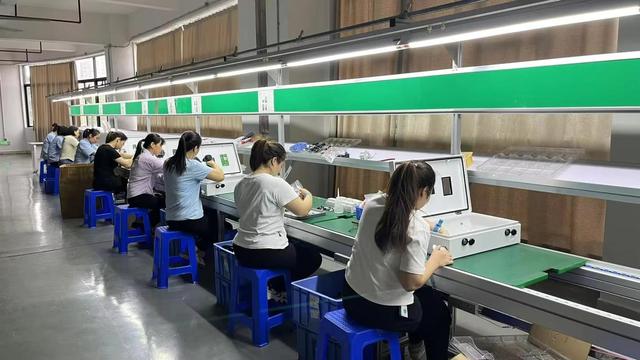
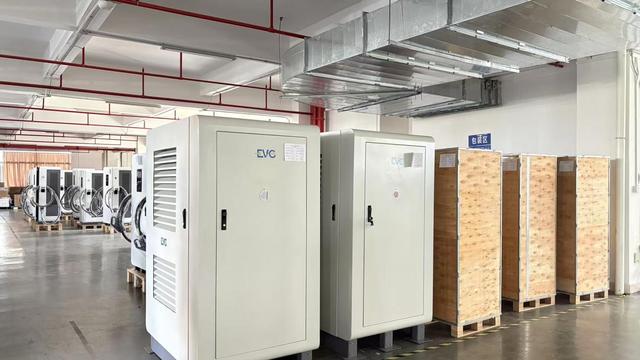
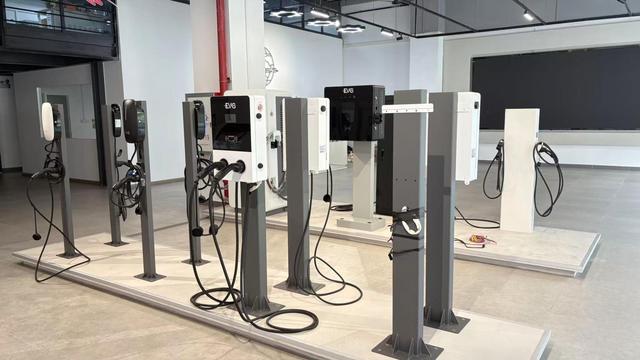
For procurement officers, sourcing battery swapping stations and supporting charging modules from Chinese suppliers involves complex logistical, regulatory, and electrical considerations. To build a future-proof, highly profitable asset, buyers must optimize for several key factors:
A BSS housing 20 batteries charging simultaneously at 100kW requires a grid connection capacity of at least 2.5 MVA (including security overhead). Selecting the right transformers and installing high-voltage switchgear is a vital step. Leading Chinese manufacturers work closely with local engineering partners to provide bespoke step-down transformer integration configurations that support 10kV, 20kV, or 35kV utility inputs.
Global deployments demand rigorous compliance. Ensure your Chinese supply partner offers equipment pre-certified with the following marks:
Proprietary software is a common failure point in long-term EVSE deployments. Modern operators mandate strict adherence to standard protocols. Look for manufacturers that natively run OCPP 1.6J, with firmware support upgrades to OCPP 2.0.1. This ensures seamless pairing with customer-facing apps, billing aggregators, utility demand-response engines, and fleet management suites.
Essential answers to critical B2B operational questions surrounding battery swapping technologies, compatibility, and implementation.
Invest in future-proof grid architecture, high-efficiency liquid-cooled energy storage, and smart power-allocation systems.
 Quantum Charge