Explore our core engineering capabilities, ranging from smart residential V2G wallboxes to industrial-grade megawatt microgrids, certified for global deployment.
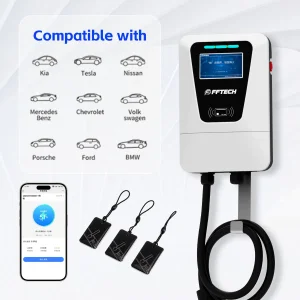
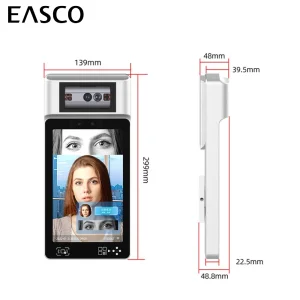
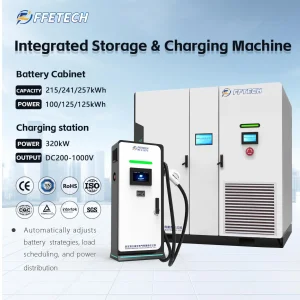
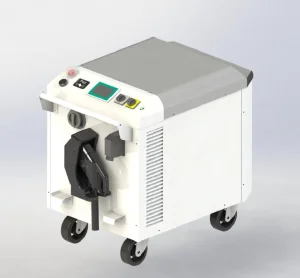
As the electric vehicle (EV) revolution accelerates globally, the demands on charging hardware are expanding rapidly beyond standard power distribution. Today’s CPOs (Charge Point Operators) and enterprise fleets require a dynamic, resilient, and fully networked architecture capable of balancing localized grid capacity, managing diverse pricing algorithms, and performing predictive maintenance remotely.
At the center of this transformation is cloud-based charging management. As a leading certified manufacturer and factory, we do not simply build hardware. We engineer integrated ecosystems where software and physical infrastructure operate in sync. By leveraging the standardized Open Charge Point Protocol (OCPP 1.6J and 2.0.1), we deliver charging hardware that acts as a secure edge computer, offering micro-second load balancing, self-diagnostic loops, and secure bi-directional telemetry.
This integration is vital to securing maximum operational efficiency. By selecting equipment built from the ground up for cloud interoperability, enterprise clients avoid vendor lock-in, reduce their Total Cost of Ownership (TCO), and guarantee compatibility with evolving global grid codes.

The convergence of telecommunications, smart grid engineering, and Internet of Things (IoT) protocols is shaping the next decade of infrastructure development.
Standardizing communications ensures compatibility across vehicle makes. ISO 15118 introduces Plug & Charge, enabling secure vehicle authentication and dynamic tariff scheduling directly from the vehicle to the cloud platform.
Localized utility grids struggle to support multiple high-power DC fast chargers. Cloud-based algorithms coordinate power dispatch dynamically, dropping input currents when regional grids experience peak loading.
Electric vehicle batteries are shifting from passive energy loads to active distributed energy assets. True bi-directional DC systems allow cloud aggregators to trade stored vehicle power back to grid operators.

Procurement teams at transit networks, commercial office complexes, and logistical hubs face significant complexity when sizing out EV hardware. Key challenges go beyond the physical charger to encompass long-term reliability and configuration options.
Shenzhen Quantum Charge Co., Ltd. is a leading professional manufacturer specializing in high-performance DC fast EV charging solutions, delivering smart, reliable, and high-power infrastructure for the globally evolving electric mobility industry.
Driven by advanced R&D capabilities, the company integrates cutting-edge technologies including IoT connectivity, intelligent dynamic energy management, and OCPP-compliant cloud architecture. These capabilities enable real-time remote monitoring, granular billing analysis, and smart grid coordination, helping customers worldwide optimize energy usage and reduce operational costs.
Compliance is the cornerstone of our engineering. We adhere to rigorous international quality control standards, holding multiple certifications including CE, TUV, and ISO, ensuring safety, durability, and reliable operation across diverse environmental zones. We also offer comprehensive, flexible OEM/ODM services tailored to specific regional utility codes and corporate branding requirements.
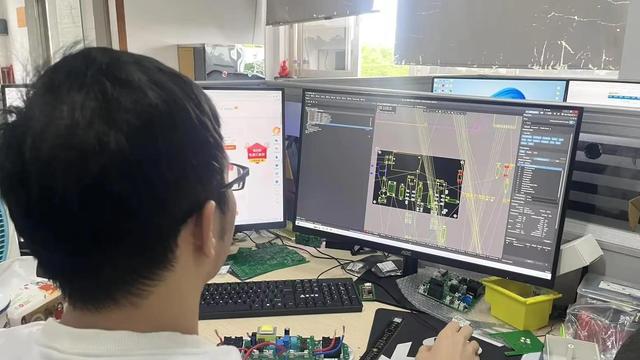
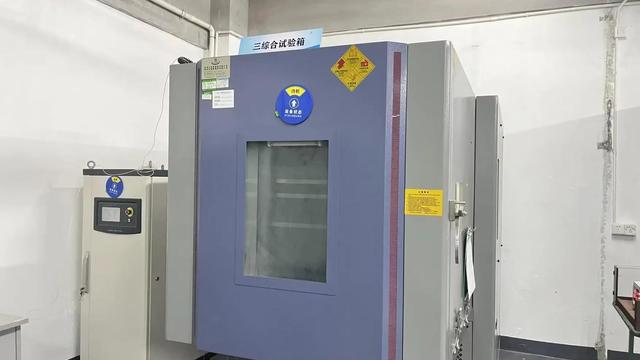
Take a look inside our high-capacity testing labs and manufacturing lines, where reliability and performance are engineered into every unit.
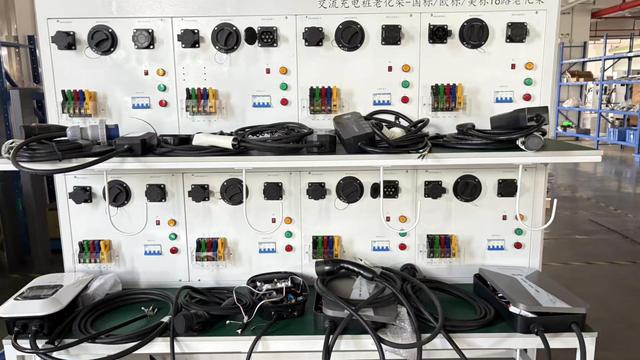




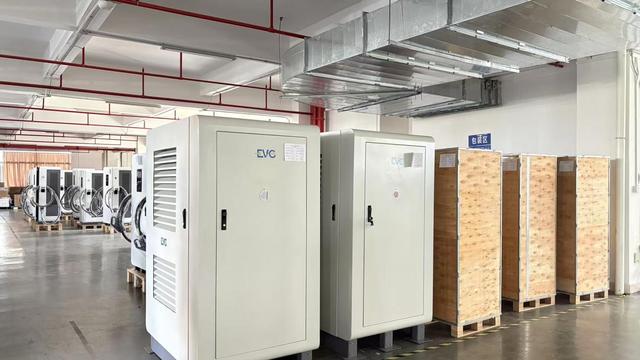
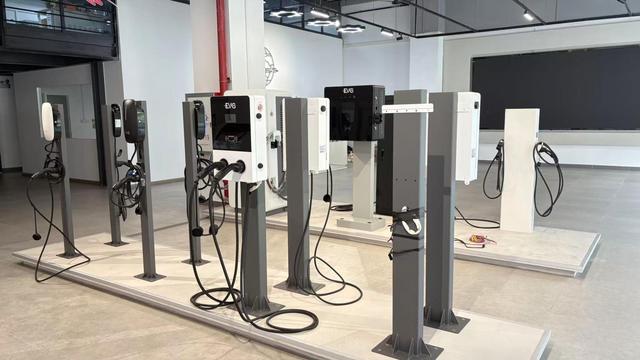
Our custom systems scale to power major transit nodes, logistics centers, and utility grids worldwide.
Optimized schedules for depots, managing dynamic charging sequences so medium and heavy-duty electric trucks are ready for operation while minimizing peak utility charges.
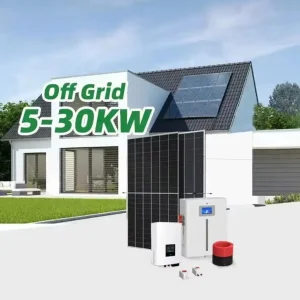
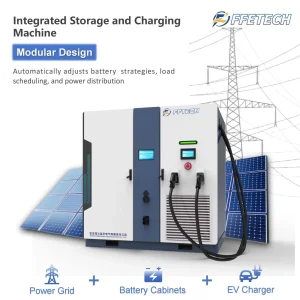
Integrating on-site solar energy generation with energy storage systems (BESS) to lower electricity costs and reduce reliance on local grids during high-demand periods.
Highly scalable configurations supporting local payment gateways, dynamic ad placement, multi-tenant billing, and high uptime in demanding public environments.
Navigating international regulatory frameworks is essential for large-scale charging deployments. For European and allied markets, CE Certification is a key requirement for commercial operations. Our equipment undergoes testing to meet the directives governing high-power electronics:
Additionally, we comply with standard utility requirements and data security practices, including GDPR-compliant cloud management options that help protect customer personal information.
Our commitment to R&D ensures our clients' hardware assets remain functional as the market shifts toward smart, bidirectional charging.
Moving beyond basic charging to implement bi-directional V2G protocols. This integration enables vehicles to feedback power to buildings during peak pricing windows, turning parked cars into smart power assets.
Developing high-power cooling and connector solutions designed for heavy electric trucks. Supporting charge rates above 1MW reduces charging times for long-haul commercial logistics fleets.
Utilizing edge machine learning within our chargers to monitor temperature curves and contactor wear. Real-time alerts let operators schedule service before equipment goes offline, helping protect network uptime.
Expert answers to common technical, compliance, and integration queries from project managers and engineers.
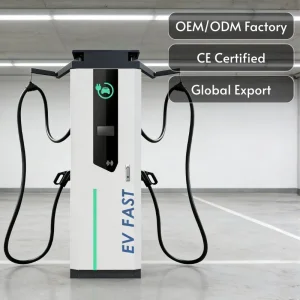
CE certification confirms that the hardware meets EU safety, health, and environmental protection standards. It ensures that products like our 120kW to 180kW DC fast stations comply with safety and EMC standards, reducing risk for commercial operators and facilitating grid connection approvals.
Cloud management platforms monitor energy usage at the facility level in real time. If the facility approaches its peak demand limit, the cloud system sends commands to the chargers to adjust their current draw, helping to protect local grid stability and prevent utility demand charges.
While OCPP 1.6J is the widely used industry standard supporting smart charging functions and diagnostics, OCPP 2.0.1 offers enhanced transaction security, improved device management, and native support for ISO 15118 features, including Plug & Charge and smart bi-directional power exchange.
Yes. Our solutions support integrated solar-storage-charging configurations. By pairing solar arrays and battery systems (BESS) with our smart chargers, operators can prioritize clean energy use and reduce reliance on grid power.
We provide over-the-air (OTA) updates for all deployed chargers, allowing operators to deploy security patches, update communication protocols, and add features remotely without needing to dispatch physical technicians to the site.
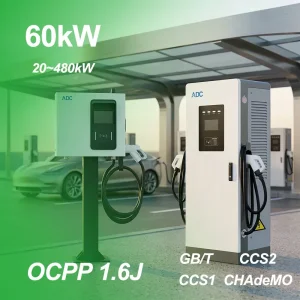
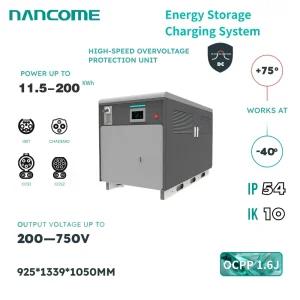
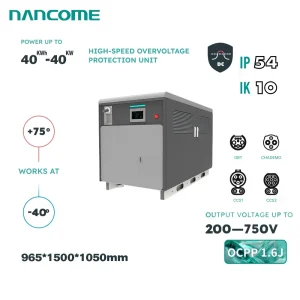
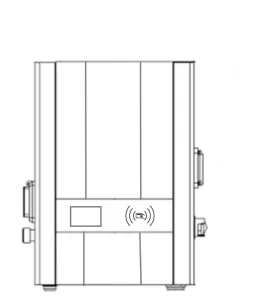
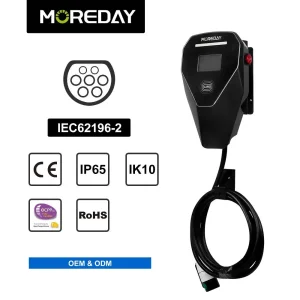
Complete product range supporting commercial, municipal, and private electrification projects.

 Quantum Charge