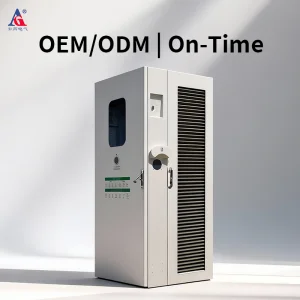
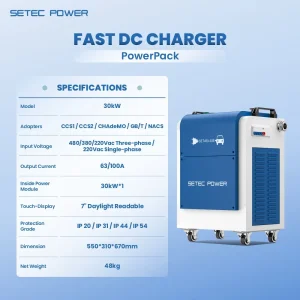
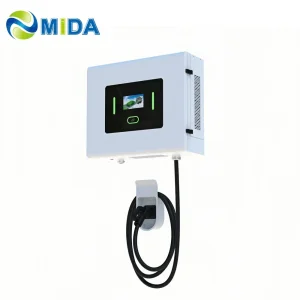
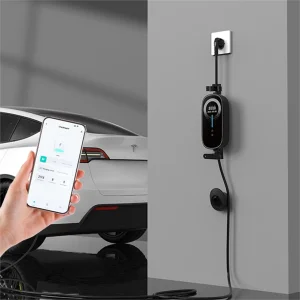
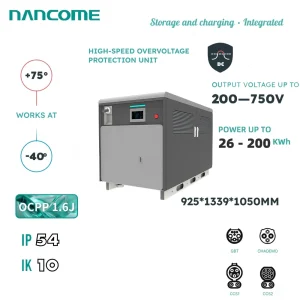
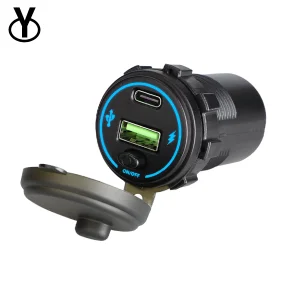
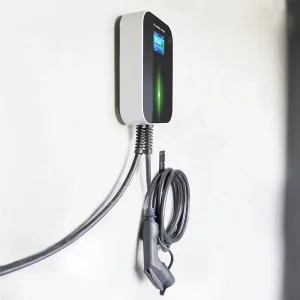
Explore our core enterprise-grade hardware lineup, featuring mobile BESS units, wallboxes, and modular fast chargers.
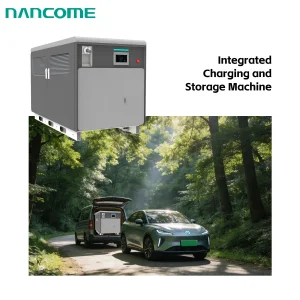
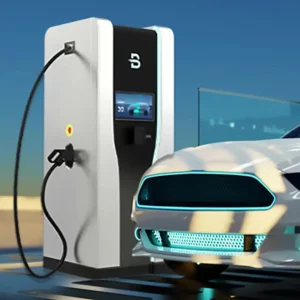
Deconstructing the critical requirements for zero-downtime, fault-tolerant EV charging hubs in commercial and highway environments.
As the global electrification of transport accelerates from early-adopter residential applications to mission-critical fleet operations and high-density commercial corridors, the fundamental definition of charging infrastructure has shifted. No longer measured merely by maximum kilowatt delivery, the industry standard has evolved toward High Availability (HA)—a system-level engineering metric ensuring continuous operations, fault insulation, dynamic resource allocation, and grid resilience.
Definition of High Availability in EV Infrastructure: A modern High Availability Charging Network guarantees an operational SLA exceeding 99.999% uptime through modular redundancy (N+1 power modules), active liquid-assisted thermal dissipation, real-time telemetry diagnostics via OCPP 2.0.1, and localized energy buffer management via integrated Battery Energy Storage Systems (BESS).
Traditional monolithic EV chargers present single points of failure: if a central inverter fails, the entire station goes offline. Advanced manufacturing paradigms pioneered in China's high-tech industrial hubs—specifically by enterprise leaders like Shenzhen Quantum Charge Co., Ltd.—utilize hot-swappable modular power cabinets. In a 360kW DC Fast Charger configuration, multiple 30kW or 40kW Silicon Carbide (SiC) power modules work in parallel. If a single module encounters a thermal anomaly or voltage spike, the intelligent internal matrix immediately isolates the damaged unit within milliseconds without interrupting the active charging session on adjacent connectors.
High availability is intrinsically tied to thermal management. Prolonged operation at elevated temperatures leads to thermal throttling, reduced power delivery, and premature component degradation. Top-tier Chinese manufacturers now deploy closed-loop liquid-cooling systems circulating specialized dielectric coolants directly through ultra-lightweight charging cables and high-power density modules. This allows continuous 500A output at high ambient temperatures (up to 55°C) without physical thermal derating.
Leveraging China's premier electronics ecosystem to deliver scalable, reliable, and cost-effective charging infrastructure globally.
Shenzhen Quantum Charge Co., Ltd. stands as a premier manufacturer specializing in DC fast EV charging solutions, delivering smart and high-power charging systems for the rapidly evolving electric mobility industry. With a strong commitment to innovation, efficiency, and sustainability, the company provides reliable charging infrastructure for commercial, public, and fleet applications worldwide.
Quantum Charge offers a comprehensive portfolio of products, including high-power DC fast chargers, ultra-fast charging stations, integrated charging cabinets, and networked smart charging systems. Designed to support a wide range of electric vehicles, its solutions ensure fast charging speeds, stable performance, and seamless user experience across various operating environments.
Driven by advanced R&D capabilities, the company integrates cutting-edge technologies such as intelligent energy management, IoT connectivity, and OCPP-compatible platforms. These features enable remote monitoring, data analysis, and efficient operation management, helping customers optimize energy usage and reduce operational costs.
Shenzhen Quantum Charge adheres to strict quality control standards and complies with international certifications to ensure safety, durability, and long-term reliability. The company also offers flexible OEM/ODM services to meet diverse global market requirements. With a growing global footprint, Quantum Charge continues to empower the transition to clean energy by providing scalable, efficient, and future-ready EV charging solutions for modern transportation infrastructure.
Navigating cross-border electrical certifications, software protocols, and safety standards.
Overcoming electrical grid constraints through stationary and mobile energy storage buffering.
One of the largest hurdles in scaling ultra-fast charging networks is local utility grid capacity. Installing a bank of 360kW fast chargers can suddenly demand megawatt-level grid connections, incurring exorbitant utility transformer upgrade costs and high demand charges. High Availability Charging Networks address this bottleneck by embedding high-capacity Lithium Iron Phosphate (LiFePO4) Battery Energy Storage Systems (BESS) directly into the charging topology.
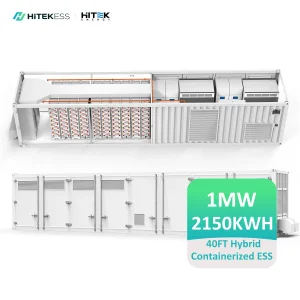
Systems ranging from compact 42.5kWh energy storage units to 3MWh 40FT ESS containers act as dynamic energy buffers. During periods of low electricity prices or low vehicle throughput, the BESS slowly charges from the grid or localized solar arrays. When multiple EVs initiate fast-charging sessions simultaneously, the energy storage system discharges in tandem with grid supply, shielding the grid from peak load spikes and drastically reducing operational costs (OPEX).
Evaluating total cost of ownership, modular maintenance, and strategic ROI parameters for charge point operators.
Versatile engineering deployments across distinct commercial, logistics, and municipal landscapes.
Discover complete energy storage systems, heavy commercial fast chargers, and specialized enclosure solutions.
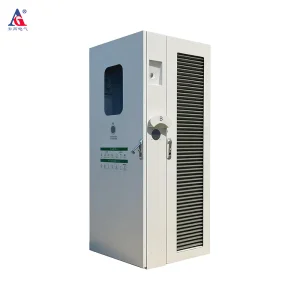
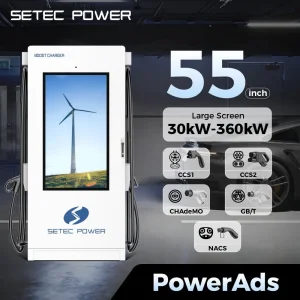
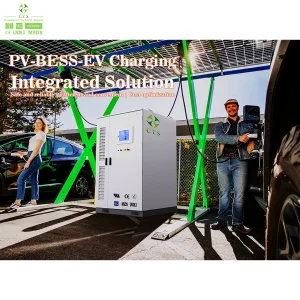
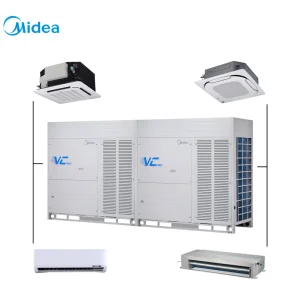
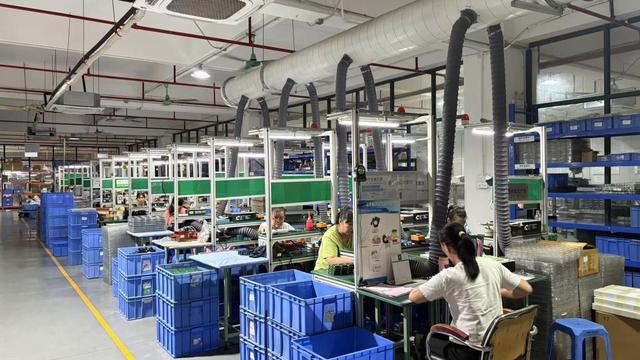
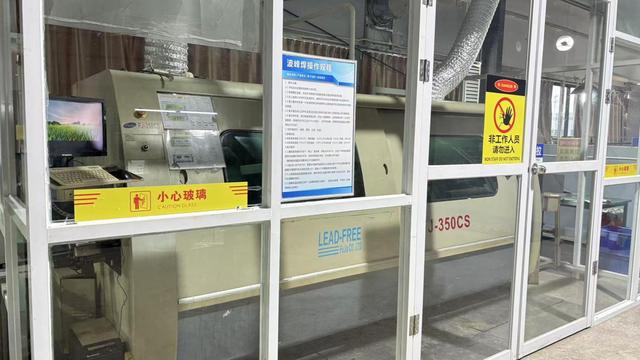
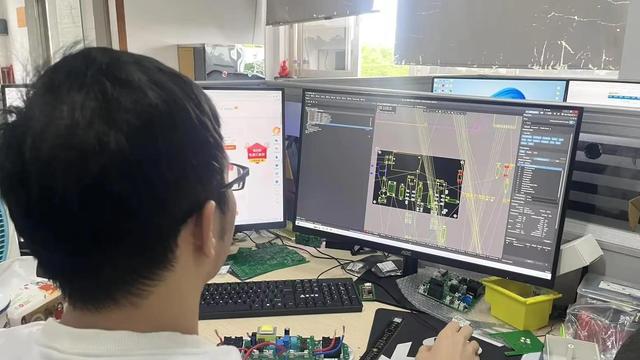
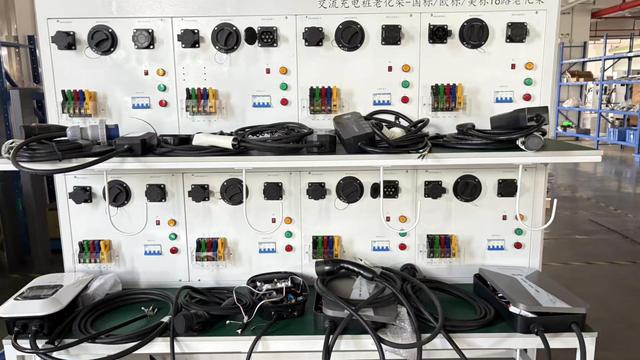
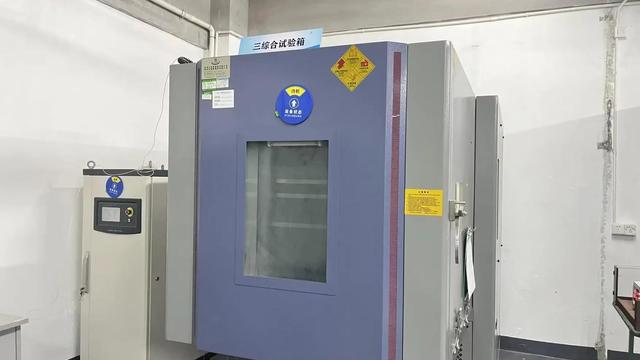
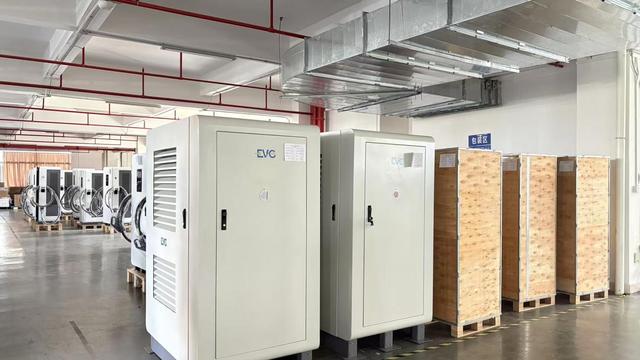
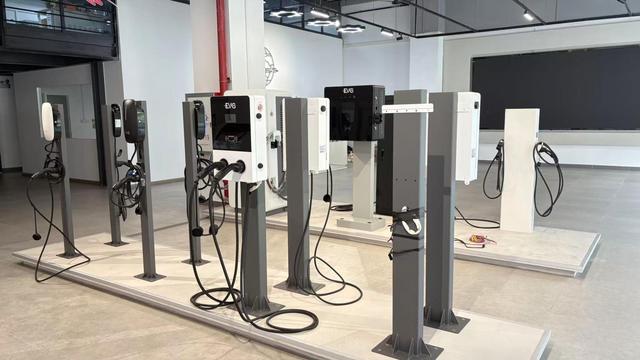
Inside Shenzhen Quantum Charge Co., Ltd. - SMT assembly lines, testing bays, and enclosure manufacturing plants.




In-depth engineering answers addressing procurement, technical standards, and operational resilience.
 Quantum Charge