The global electric vehicle (EV) market is witnessing an unprecedented transformation. As governments worldwide commit to net-zero carbon emissions, the demand for high-efficiency Smart Charging Stations has skyrocketed. The current industrial landscape is shifting from simple AC home charging to complex, networked DC fast-charging ecosystems. Today, commercial and industrial enterprises are the primary drivers of this growth, seeking to electrify fleets, optimize logistics routes, and provide public charging infrastructure in retail and hospitality sectors.
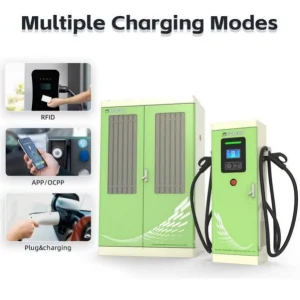
Industry leaders are now prioritizing scalability and interoperability. A successful charging station is no longer just a power supply unit; it is an intelligent node in an IoT-enabled energy network. Technologies such as load balancing, smart grid connectivity, and OCPP (Open Charge Point Protocol) compliance are now non-negotiable requirements for global procurement officers.
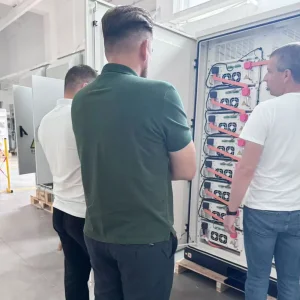
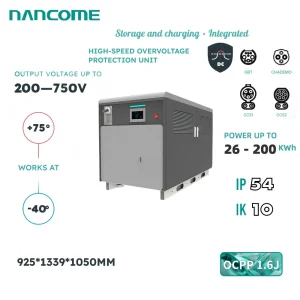
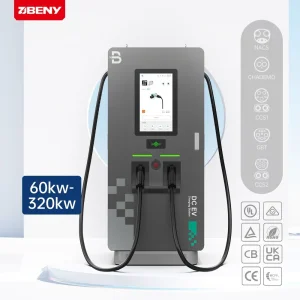
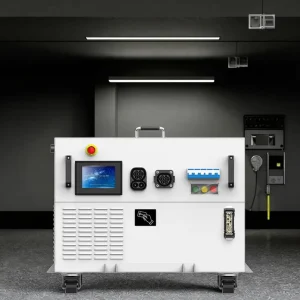
The next decade of EV charging innovation is defined by three key pillars: Ultra-Fast Charging, Energy Storage Integration, and Liquid-Cooling Technology. Our factories are at the forefront of this shift. We are seeing a move towards 350kW+ charging speeds, reducing downtime for heavy-duty electric trucks and buses. Furthermore, by integrating Battery Energy Storage Systems (BESS) directly into the charging station, we mitigate the strain on the existing electrical grid, allowing for peak-shaving and energy optimization.
Advanced liquid-cooling technology is also revolutionizing cable management and power delivery, allowing for lighter, more flexible cables that can carry higher currents without overheating, significantly improving the user experience for everyday EV drivers.
Procuring charging infrastructure requires a deep understanding of local regulations and usage patterns. Whether it's a highway charging hub in Europe requiring CCS2 compliance, or a commercial fleet depot in Southeast Asia, our solutions are localized for specific regional needs.
For procurement managers, the decision-making process involves balancing initial CAPEX with long-term OPEX. We emphasize Modular Design, which allows our clients to upgrade power modules (e.g., from 60kW to 120kW) as their EV fleet grows. This flexibility is vital in urban planning, where space is a premium, and the initial footprint must be efficient while future-ready.
China currently boasts the world’s most robust EV supply chain. Partnering with a Chinese manufacturer like Shenzhen Quantum Charge Co., Ltd. offers distinct strategic advantages:
We are not just a manufacturer; we are your strategic partner in the energy transition. From R&D to final deployment, we provide the technical expertise, certifications (CE, TUV, OCPP 1.6/2.0), and logistical support required to succeed in any market.
 Quantum Charge