Pioneering High-Efficiency EV Charging Infrastructures, Solar Microgrids, & Intelligent Vehicle Management Systems
Industrial-Grade Hardware Integrated with Smart Commercial Protocols

An Industrial Guide to Scalable Megawatt-Scale Municipal and Fleet Infrastructures
As the global energy landscape undergoes a paradigm shift toward sustainable electric mobility, the isolation of transportation and infrastructure systems is no longer viable. Modern smart cities require unified hubs: Integrated Charging and Parking Systems. By uniting dynamic parking allocation with smart, grid-responsive electric vehicle (EV) charging hardware, modern municipal planners and private operators can mitigate peak grid demands, optimize operational real estate, and unlock new revenue structures.
Shenzhen Quantum Charge Co., Ltd. stands at the forefront of this technological shift. As a premier professional manufacturer specializing in DC fast EV charging solutions, the company delivers high-power charging architectures designed for the modern electric mobility ecosystem. Underpinned by deep R&D, Shenzhen Quantum Charge Co., Ltd. provides robust commercial-grade solutions that align parking space usage with power distribution networks globally.
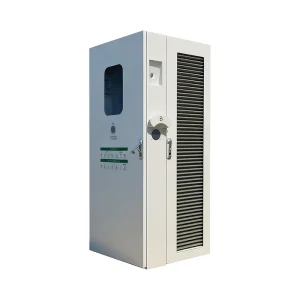
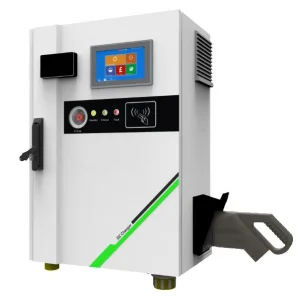
By combining high-power DC fast chargers, ultra-fast charging stations, secure stainless steel electrical enclosures, and advanced IoT-driven management backends, we enable city developers and fleet managers to transition seamlessly from legacy parking facilities into high-performance utility nodes.
Developing a modern integrated parking facility requires aligning complex subsystems into a single cohesive network. Hardware must interface seamlessly with software through secure protocols, while power management systems must safeguard local grids from localized overloading during peak vehicle occupancy.
DLB allocates the available electrical capacity within a parking zone dynamically. As more EVs plug in, the central charging cabinet adjusts output in real time, preventing substation overloads without requiring expensive grid upgrades.
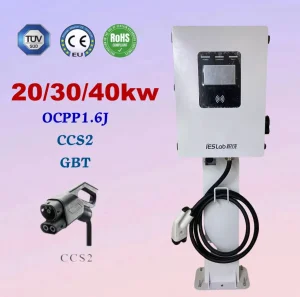
Our entire portfolio supports Open Charge Point Protocol (OCPP). This guarantees interoperability between our DC chargers and third-party SaaS management platforms, enabling billing, remote diagnostics, and OTA updates.
We are engineering the future where parking facilities act as virtual power plants (VPPs). High-power bidirectional DC units can pull power back from vehicles during grid instability, creating grid-balancing revenue.
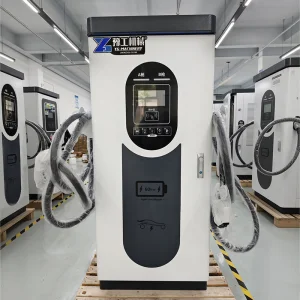
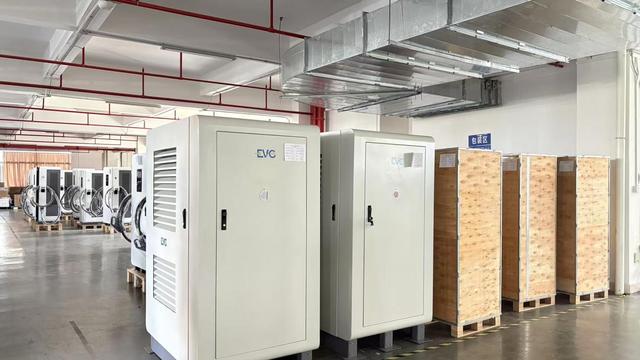
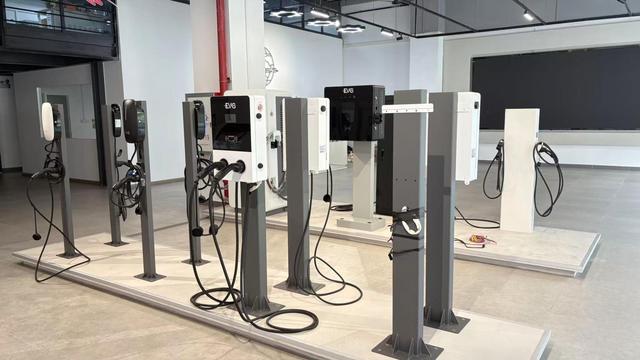
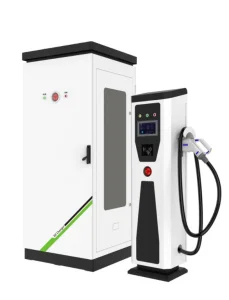
For instance, a standard facility employing our 300kw Split Type Fan Cooling DC Charging System can shift power dynamically between dual guns or distribute power among multiple low-profile wallboxes. Additionally, incorporating RFID authorization—such as our secure 13.56MHz Contactless RFID Cards—ensures that parking spot reservation, access control, and user billing are executed within a unified payment loop.
Different operating environments require specific, tailored configurations to maximize ROI. We deliver specialized engineering designs to solve specific regional energy profiles and spatial limits:
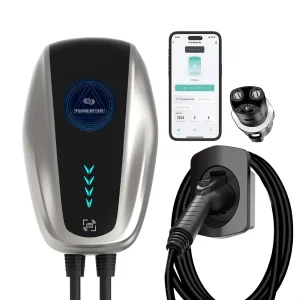
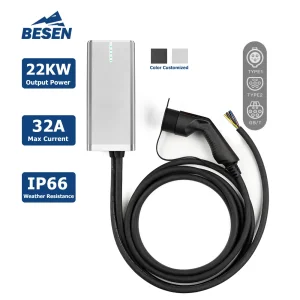
Urban municipal parks require rugged, vandal-resistant designs that operate reliably under external conditions. By mounting our Wallbox EV Charger 22kw 32A with RCD Type A + 6mA DC protection in high-density parking spaces, municipal operators gain a durable charging footprint that minimizes maintenance overhead and safeguards public users against electrical ground leakage.
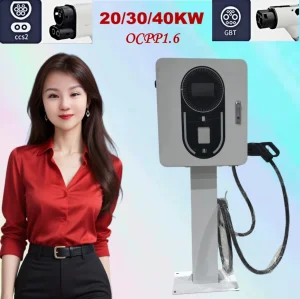
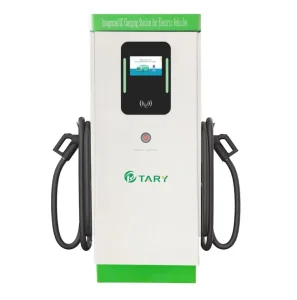
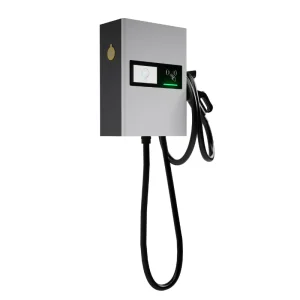
For heavy-duty transportation networks and municipal public transport operations, fast vehicle turnaround is critical. Utilizing solutions like our 120kw Dual-Gun DC Fast Charger (supporting CCS1, CCS2, and GBT interfaces) allows fleet managers to rapidly charge large battery packs in commercial delivery vans and transit vehicles concurrently, minimizing idle yard times.
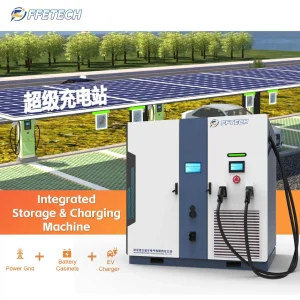
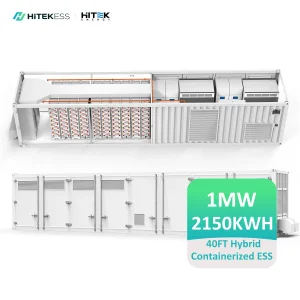
In locations facing grid capacity constraints, off-grid or hybrid configurations are optimal. Integrating our High-Efficiency Solar Power System with Integrated Charging and Storage alongside the robust Hitek Energy 15years Lifespan 40FT Ess Battery Container (1MWh-3MWh) allows developers to capture solar energy during peak solar hours and store it for rapid vehicle refueling at night, insulating operations from volatile grid tariffs.
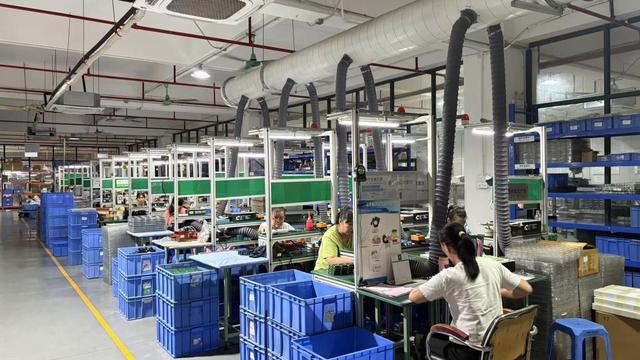
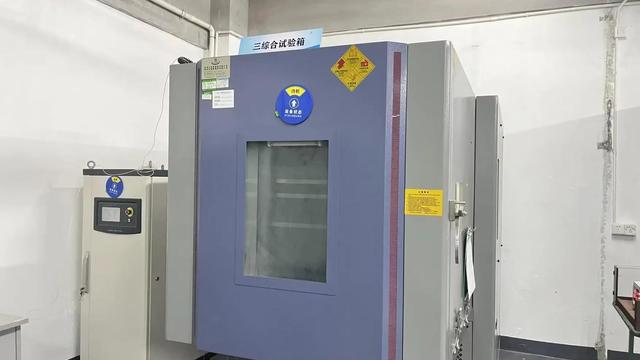
Shenzhen Quantum Charge Co., Ltd. operates a state-of-the-art production facility equipped with high-precision manufacturing, automated assembly lines, and advanced quality assurance rigs. By maintaining vertical integration over our design, sheet-metal cabinet fabrication, and PCBA wave-soldering processes, we guarantee high component consistency and competitive direct-from-factory pricing.
Every unit undergoes rigorous thermal cycling, insulation resistance tests, and electrical load simulations before shipment. Our factory-direct operations minimize delivery timelines and support customized specifications—whether for localized labeling, structural steel reinforcements, or specialized firmware integration.
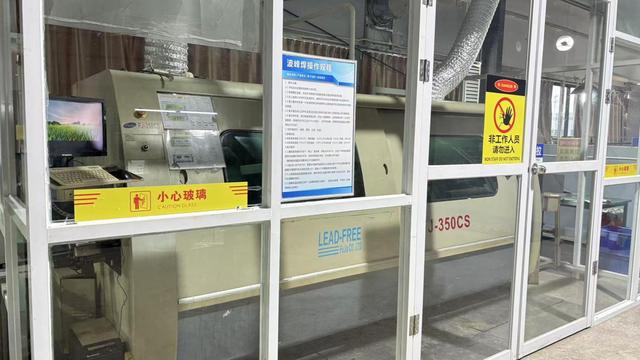
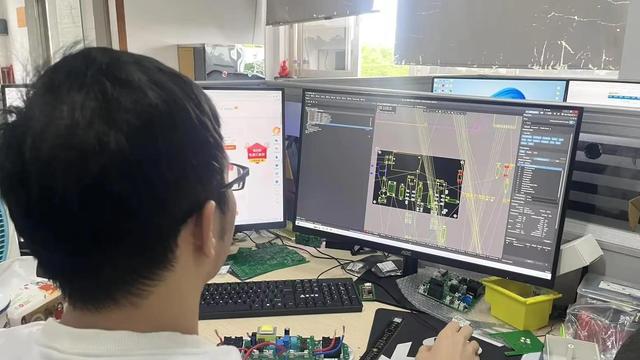
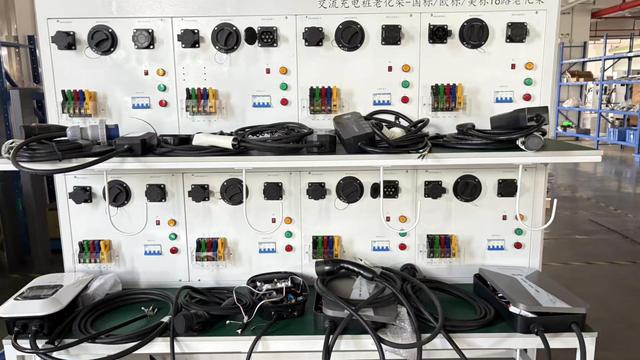
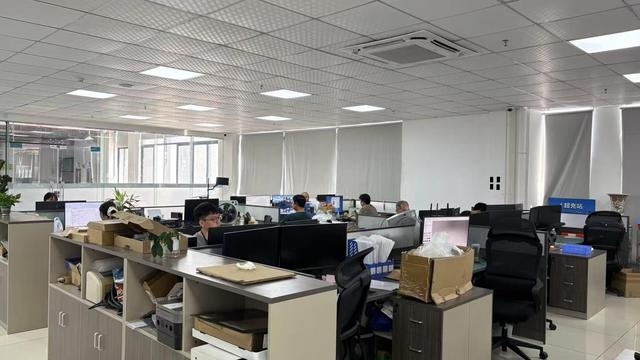
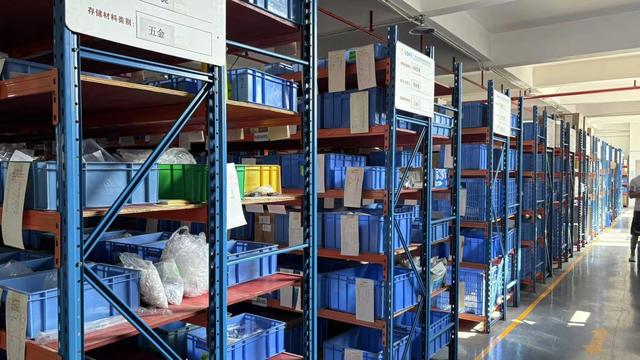


Our manufacturing ecosystem in China operates with absolute material transparency. By securing reliable, long-term partnerships with leading lithium cell providers and premium structural steel suppliers, we shield our international buyers from volatile price spikes and component shortages.
For global operators, importing infrastructure products from China requires meeting rigorous safety and grid regulatory standards. We address these requirements with built-in protections:
Key Technical and Commercial Insights for Procurement Officers
An RCD Type A + 6mA DC sensor provides an equivalent level of protection against DC residual currents to a standard Type B RCD, but at a lower hardware cost. EV batteries can leak smooth DC currents into the system. If this leakage exceeds 6mA, it can saturate a standard Type A RCD, preventing it from tripping. Our systems isolate DC faults early to protect the upstream grid and users without requiring expensive external Type B RCD retrofits.
Dynamic load balancing (DLB) can be handled either locally via an edge controller or in the cloud using OCPP 1.6J/2.0.1 smart charging profiles. The controller monitors the facility's main electrical inlet. When total building demand rises, it automatically throttles the maximum current of the chargers. As building load drops, it restores the chargers to full power, allowing operators to run a larger charger network without grid upgrades.
Yes, our Hitek Energy ESS containerized systems are engineered with integrated liquid thermal management and industrial HVAC units. This keeps the internal LiFePO4 cells within their optimal operating range of 15°C to 25°C, ensuring a 15-year service life and preventing thermal runaway even in external environments ranging from -20°C to +55°C.
We provide full-spectrum OEM and ODM customization services. This includes custom branding and structural steel enclosure adaptations, along with customized electronic engineering for dual-gun configurations, custom charging cables, integration of smart payment modules, and custom firmware configurations for local regional protocols.
Reliable Infrastructure Solutions Engineered for High-Traffic Environments
 Quantum Charge