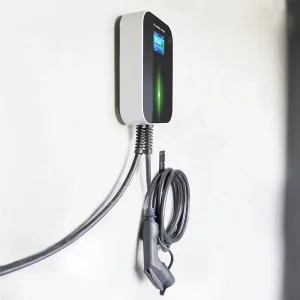
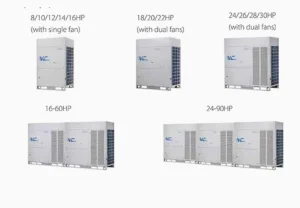
Pre-engineered heavy-duty charging configurations and industrial thermal management units optimized for continuous high-load operations in volatile climates.
The Democratic Republic of Congo (DR Congo) holds a unique position in the global green energy transition. As the source of over 70% of the world's cobalt and massive reserves of high-grade copper, the DRC is the engine room of the global electric vehicle (EV) battery supply chain. However, establishing localized electric mobility infrastructure poses severe technical challenges: mining regions in the Katanga province, logistics corridors linking Lubumbashi to regional ports, and sprawling urban hubs like Kinshasa demand infrastructure engineered for extreme heat, dust, and grid volatility.
"To power industrial mining haulage fleets, local heavy duty commuter networks, and public logistics hubs, the DRC requires floor-standing DC charging units with wide input voltage tolerances, resilient dust-proofing, and automated grid-load balancing algorithms."
Standard European or North American EV chargers frequently experience premature failure in the DRC due to the following localized operational stresses:
| Environmental Parameter | Standard EV Charger Specifications | DR Congo Mining Grade Specifications |
|---|---|---|
| Ingress Protection (IP) | IP44 / IP54 (Standard Cabinets) | IP54 / IP65 Dust-Tight Sealed Control Bay |
| Working Temp. Range | -20°C to +45°C (Power derating at 40°C) | -30°C to +55°C (Dynamic liquid/air smart cooling) |
| Voltage Tolerance | ±10% nominal input voltage | ±20% wide input range with integrated DVR protection |
| Communication Protocol | OCPP 1.6J Cloud Connectivity | OCPP 1.6J / 2.0.1 with offline fallback buffer database |
Global procurement directors from international mining houses, non-governmental organizations (NGOs), and commercial logistics providers look for suppliers that can offer both cost efficiency and strict engineering standards. They require floor-standing DC charging units that comply with international safety certifications (CE, IEC, UL) while offering custom configurations for harsh operating conditions. Procurement structures are shifting from simple hardware acquisition to turnkey system integration partnerships.
By shifting to heavy-duty floor-standing DC charging units with modular power stacks, operators can start with a 120kW setup and scale to 360kW as their fleet expands. This design prevents downtime: if one power module fails, the remaining units continue to operate, ensuring the vehicle continues to charge.
Shenzhen Quantum Charge Co., Ltd. is a professional manufacturer specializing in DC fast EV charging solutions, delivering smart and high-power charging systems for the rapidly evolving electric mobility industry. With a strong commitment to innovation, efficiency, and sustainability, the company provides reliable charging infrastructure for commercial, public, and fleet applications worldwide.
Quantum Charge offers a comprehensive portfolio of products, including high-power DC fast chargers, ultra-fast charging stations, integrated charging cabinets, and networked smart charging systems. Designed to support a wide range of electric vehicles, its solutions ensure fast charging speeds, stable performance, and seamless user experience across various operating environments.
Driven by advanced R&D capabilities, the company integrates cutting-edge technologies such as intelligent energy management, IoT connectivity, and OCPP-compatible platforms. These features enable remote monitoring, data analysis, and efficient operation management, helping customers optimize energy usage and reduce operational costs.
Shenzhen Quantum Charge adheres to strict quality control standards and complies with international certifications to ensure safety, durability, and long-term reliability. The company also offers flexible OEM/ODM services to meet diverse global market requirements.
With a growing global footprint, Quantum Charge continues to empower the transition to clean energy by providing scalable, efficient, and future-ready EV charging solutions for modern transportation infrastructure.
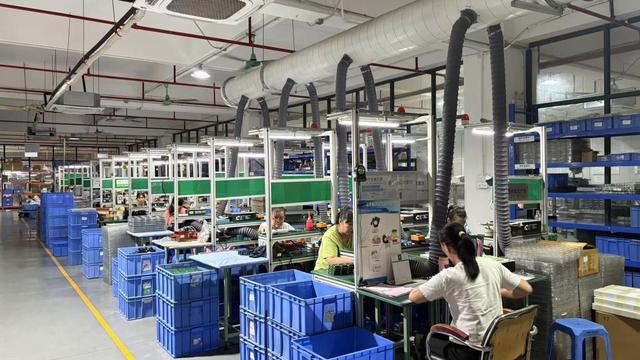
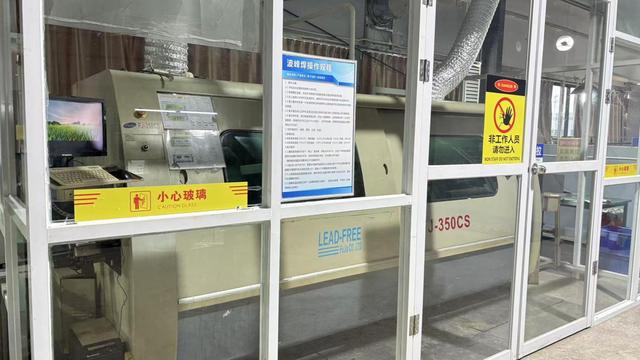
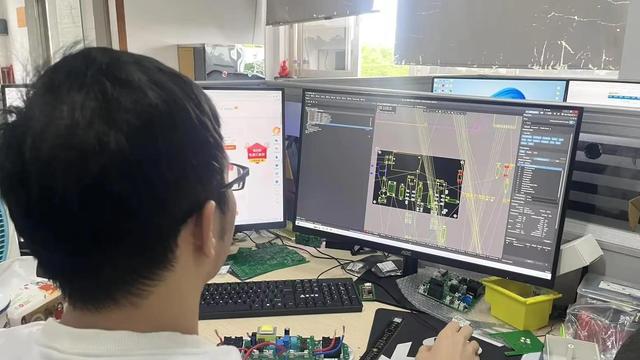
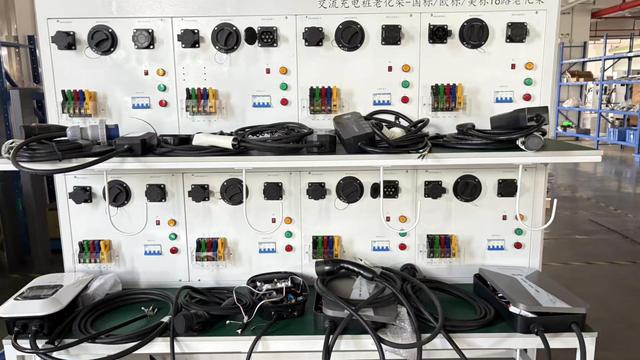
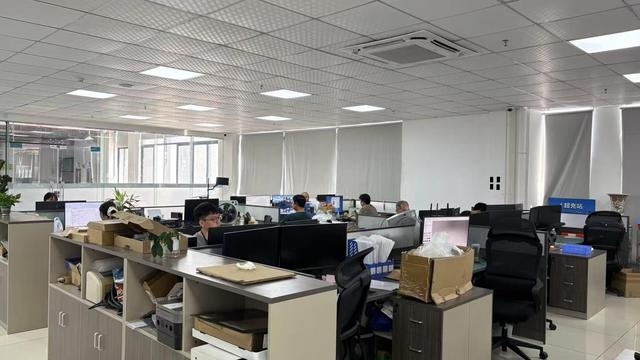
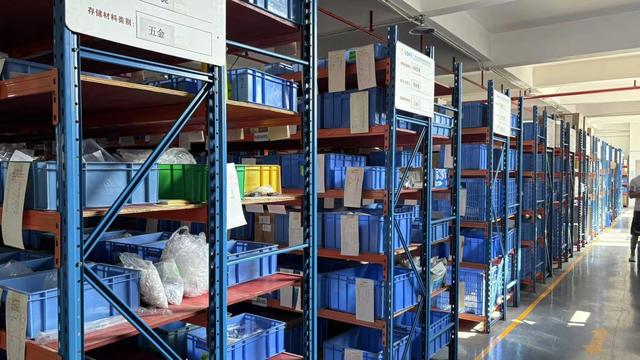

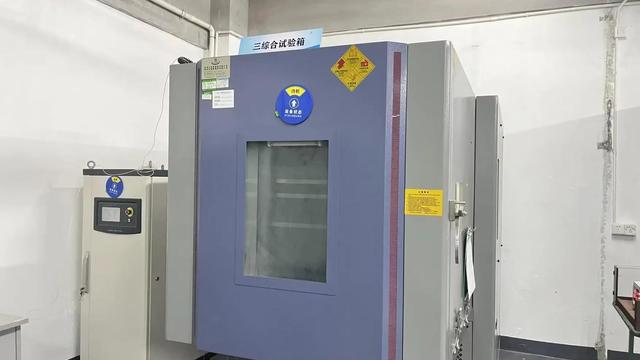
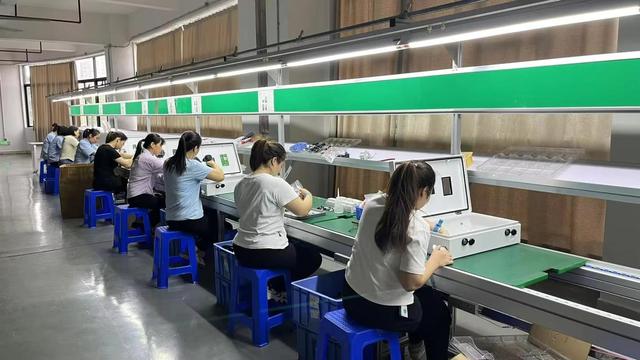
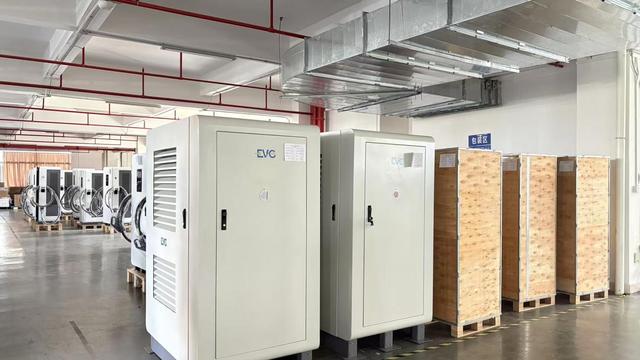
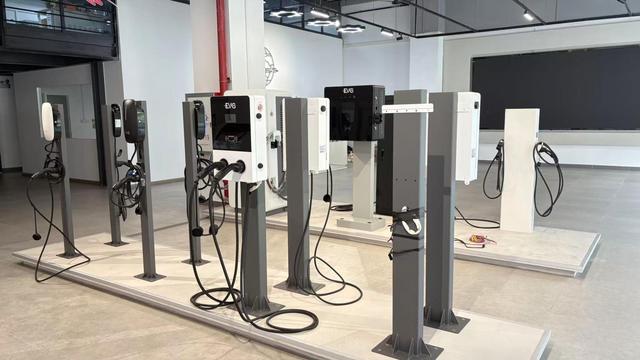
Shenzhen Quantum Charge operates a state-of-the-art Factory 4.0 facility. In the EV charger manufacturing sector, maintaining consistency across thousands of units requires deep process automation and testing. Quantum Charge uses robotic automated optical inspection (AOI), computerized circuit board testing, and thermodynamic simulation chambers to model high-heat and high-humidity environments.
This systematic approach provides two key benefits for global operators:
Detailed architectural integrations demonstrating how floor-standing DC charging systems operate within complex regional energy constraints.
Kolwezi copper-cobalt mines use floor-standing high-power DC systems to charge electric transport vehicles, utilizing heavy-duty dust filtration and isolated power components.
Double-cable 180kW DC chargers service electric transit fleets, using dynamic power splitting to optimize charger utilization during peak commuter hours.
Remote transport hubs along the Congo River corridor use DC fast chargers integrated directly with solar arrays and battery storage systems (BESS) for off-grid operations.
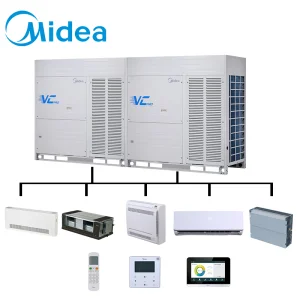
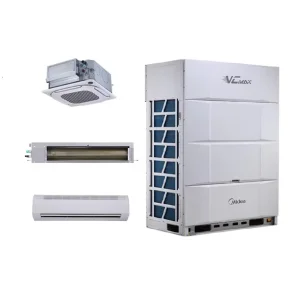
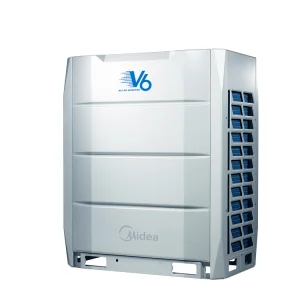
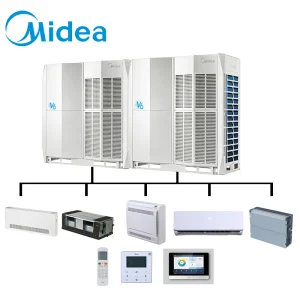
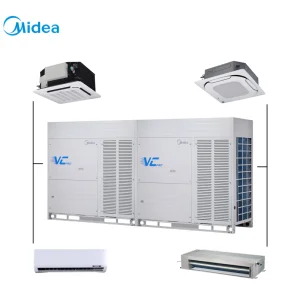
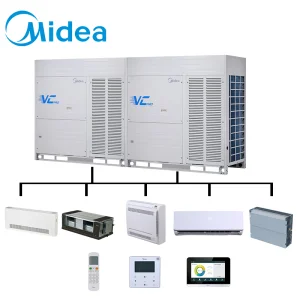
A comprehensive list of our certified HVAC and charging equipment, built to support heavy commercial installations across the DR Congo.
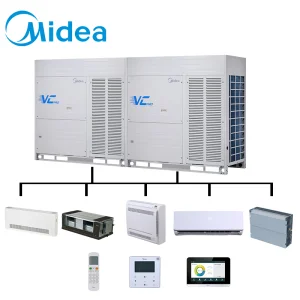
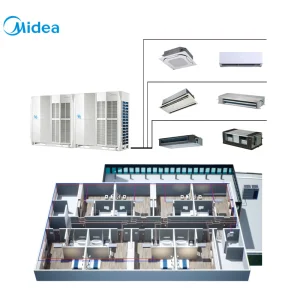
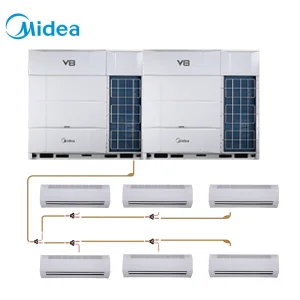
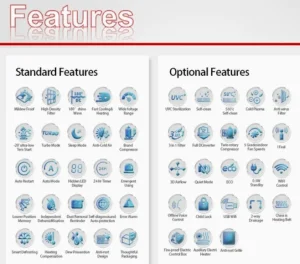
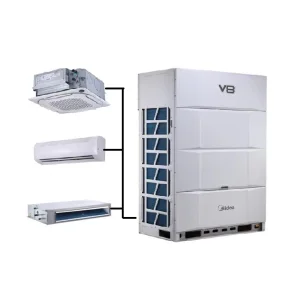
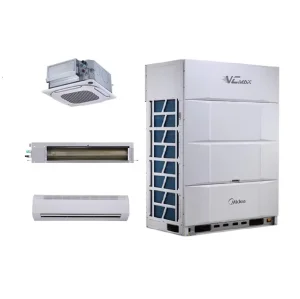
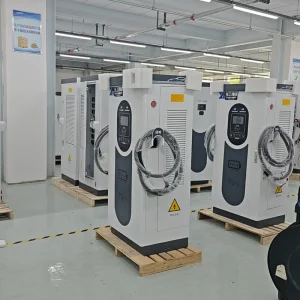
Key technical considerations for electrical engineers and procurement directors deploying high-power DC systems in Sub-Saharan Africa.
Our units use an isolated cooling design where the heat sink is located in an open-air cooling channel, while the sensitive power electronics, controllers, and communication systems are sealed in an IP54 or IP65 cabinet. This prevents ambient air from contacting the electrical boards, protecting them from conductive dust accumulation.
We integrate heavy-duty surge protective devices (SPD Type 2 + Class C), over-voltage and under-voltage protection boards, and input isolation transformers. The power module configuration operates across a wide input voltage range (320V AC to 480V AC), allowing the system to run stably during grid voltage sags.
Yes. Our chargers support OCPP 1.6J and OCPP 2.0.1 (JSON over WebSocket) alongside Modbus TCP/IP, enabling integration with local energy management systems (EMS). This allows the chargers to adapt their output dynamically based on solar generation curves and battery pack states of charge.
To match the diverse range of machinery imported into Sub-Saharan Africa, we supply dual-connector configurations. These include CCS2 (the dominant European standard used by many utility vehicles), CCS1 (typical of North American heavy equipment imports), and GB/T (commonly used on Chinese industrial machinery and passenger transport vehicles).
Our floor-standing chargers use modular 30kW or 40kW power blocks. If a module fails, it can be swapped out by a local technician using standard tools, while the remaining modules keep the charger running at reduced power. Remote diagnostics via 4G/LTE also help isolate issues before field teams arrive.
Manufacturing and factory validation testing take 4 to 6 weeks. Transit routes typically proceed via sea freight to the ports of Matadi (for Kinshasa projects) or Dar es Salaam / Durban (for Katanga mining hubs), followed by overland transport. We manage the necessary export clearances and provide pre-shipment documentation.
Consult with our engineering team to design custom, site-specific charging solutions. We provide detailed single-line electrical diagrams, foundation specifications, and micro-grid integration plans tailored to your project requirements.
Request Technical Consultation & Quote Quantum Charge