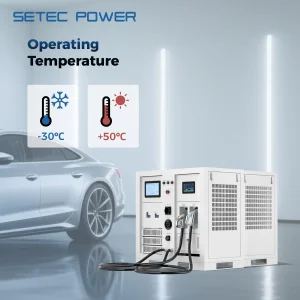
Engineered for immediate deployment across municipal, utility, and heavy-commercial sectors in Afghanistan.
Operating commercial and industrial (C&I) enterprises in Afghanistan demands unprecedented energetic resilience. The country's centralized electricity transmission network remains structurally vulnerable, dependent heavily on bilateral import agreements with neighboring Central Asian states (Uzbekistan, Tajikistan, and Turkmenistan). Unscheduled supply interruptions, load shedding, and grid volatility are persistent challenges that undermine productivity and inflate operational costs. For companies moving toward logistics modernization or deploying electric vehicle (EV) fleets, relying strictly on traditional electricity grids is unviable.
Simultaneously, diesel power generation—the historical fallback for localized operations—has become an economic liability. Fuel price surges, logistics bottlenecks, high maintenance costs, and severe carbon emissions restrict diesel's long-term utility. Fortuitously, Afghanistan possesses a significant geographic advantage: exceptional solar irradiance, averaging over 3,000 hours of direct sunlight annually and a daily yield of 5.5 to 6.5 kWh/m².
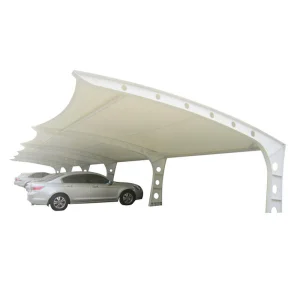
The transition from legacy internal combustion engines to EV transport in resource-rich areas (such as mineral extraction locations in Logar or Ghazni) requires localized charging nodes. The lack of standard highway utility lines makes off-grid, solar-powered EV charging stations the primary option for long-range distribution vehicles. By combining structure (such as high-strength carbon steel carports) with storage and localized generation, these systems serve as independent power utilities.
For global entities operating within humanitarian distribution hubs, defense complexes, or international diplomatic enclaves, solar integration achieves two critical objectives:
As a leading supplier and manufacturer, Shenzhen Quantum Charge Co., Ltd. addresses the environmental requirements of Afghanistan's climate:
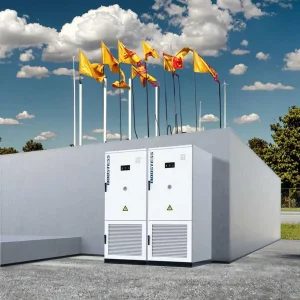
Ensuring persistent power generation for remote and critical infrastructure.
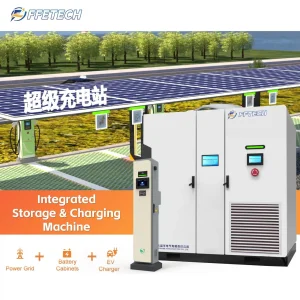
Provides isolated logistics hubs with the capacity to charge electric delivery vans and utility vehicles entirely via solar, bypassing grid failure issues.
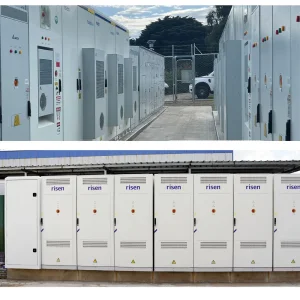
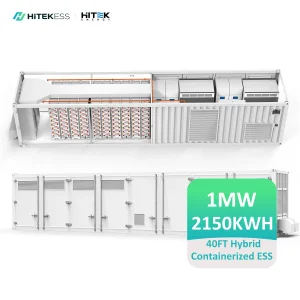
Supplies high-voltage energy storage containers to support heavy equipment charging and base camp power systems in areas far from transmission lines.
Integrates solar carport structures in Kabul and Herat commercial parks to supply shade, power grid balancing, and EV charging points.
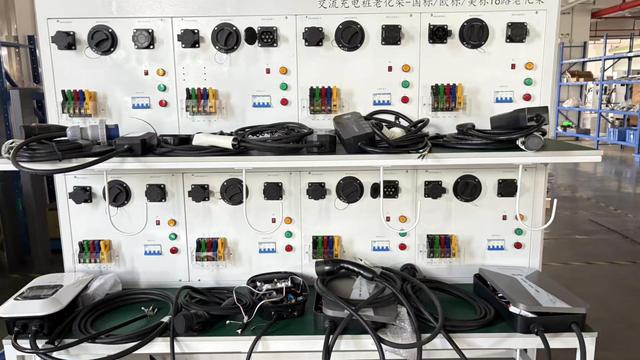
Every solar integrated system undergoes extensive load, climate, and structural testing prior to shipping.
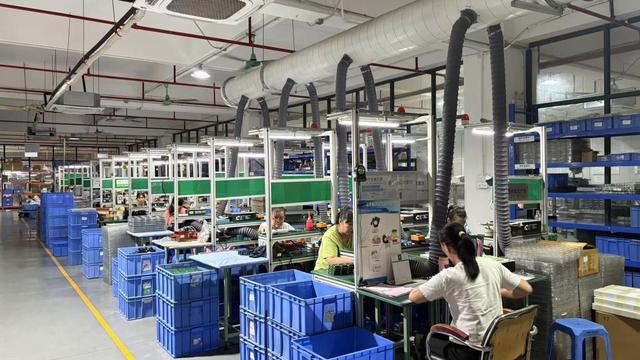
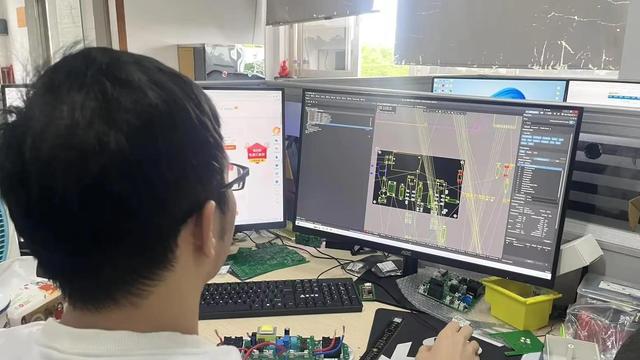
Shenzhen Quantum Charge Co., Ltd. operates a specialized fabrication facility producing DC fast EV charging systems and integrated solar microgrids. By utilizing the mature supply chain of the Shenzhen technology corridor, we incorporate Tier-1 lithium cells (LiFePO4) and advanced BMS systems. This direct manufacturer pipeline ensures competitive pricing, high-quality components, and consistent lead times.
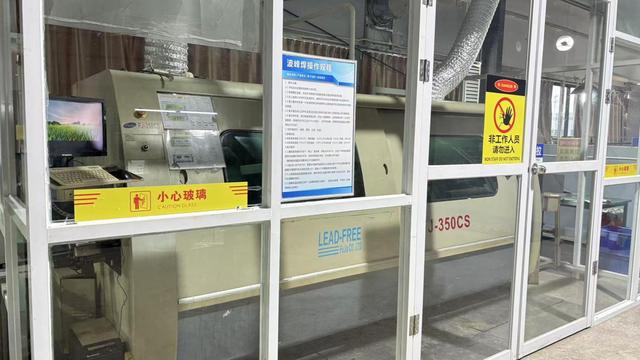
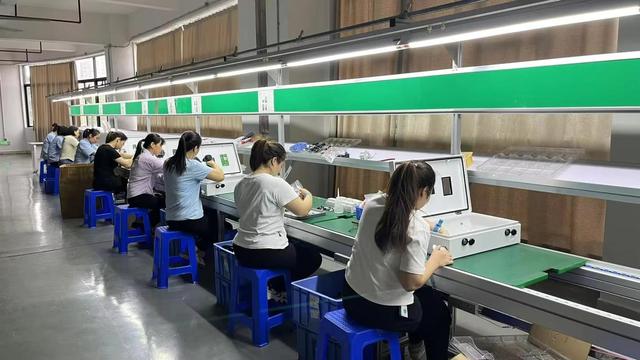
Our manufacturing line integrates sheet metal stamping, electrical wiring assembly, automated transformer winding, and high-voltage calibration testing. All complete units undergo a continuous 48-hour burn-in and thermal simulation cycle, validating performance under hot desert conditions like those in Afghanistan.
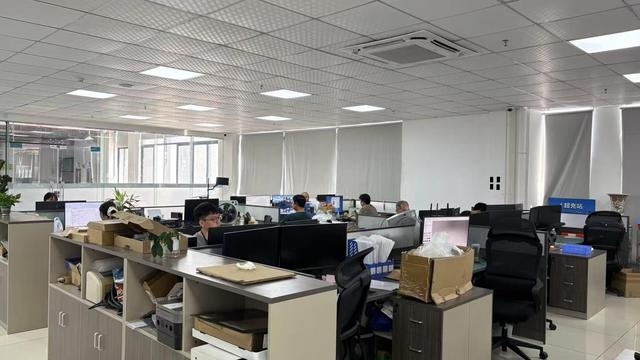
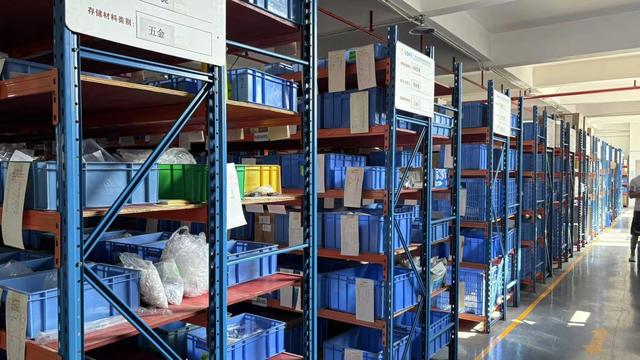
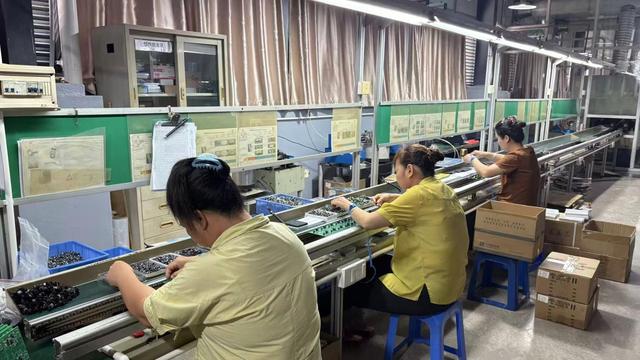
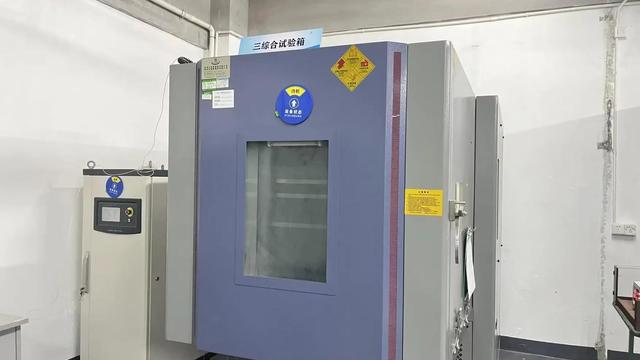
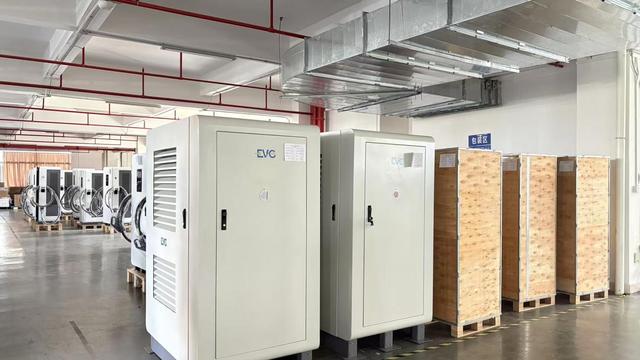
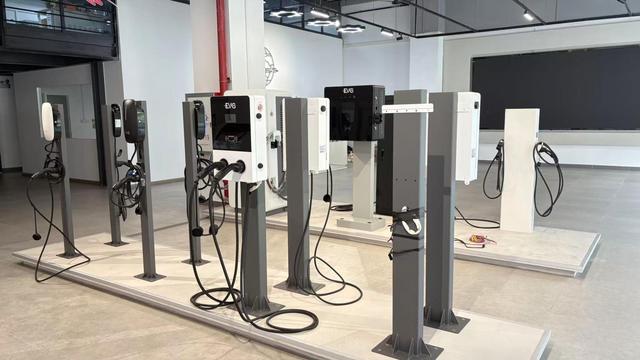
Choose from our full range of CE-certified energy storage containers and high-power charger integrations.
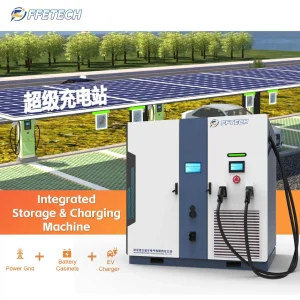
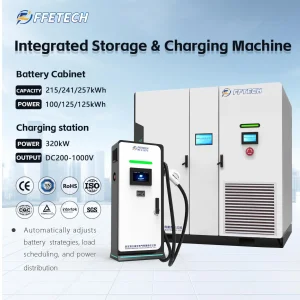
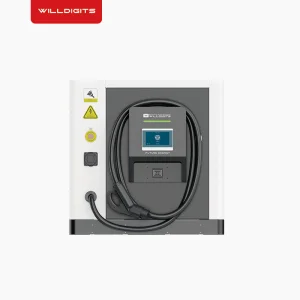
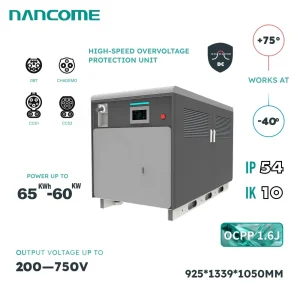
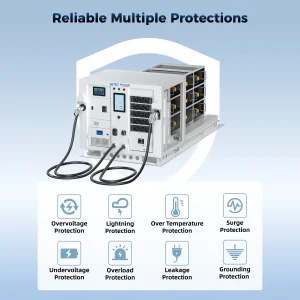
Essential information on technical deployment, configuration, and shipping to Afghanistan.
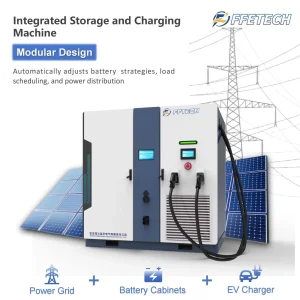
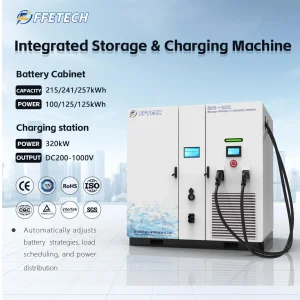
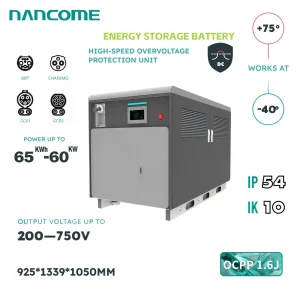
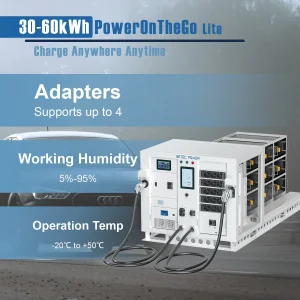
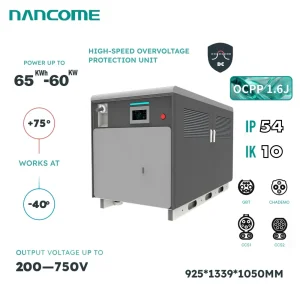
Our systems use high-voltage hybrid inverters combined with containerized LiFePO4 battery modules (ranging from 30kWh to 3MWh). The solar array charges the batteries during peak sun hours. When an EV connects, the system draws power from the battery banks to supply high-power Level 3 DC charging. This setup prevents grid draw, ensuring continuous operations.
Our outdoor enclosures have IP54 or IP65 protection ratings. Ventilation intakes are equipped with custom labyrinth structures and cleanable dust filters to block fine sand. Internal electronic modules are sealed and treated with protective conformal coatings to prevent short circuits.
We handle logistics through the China-Europe rail routes to Central Asian hubs (such as Termez/Hairatan cross-border terminals) or via sea cargo to Karachi with overland transshipment. We supply complete commercial documentation, packing lists, CE/TUV certificates, and UN38.3 test documentation for battery transit.
We source Grade-A LiFePO4 cells that deliver 6,000+ full charge/discharge cycles at 80% Depth of Discharge (DoD). This supports over 15 years of daily operation. The integrated BMS continuously monitors cell balancing, temperatures, and state-of-charge parameters to prevent degradation.
Have custom layout requirements or specific load configurations?
Contact Our Engineering Department Now Quantum Charge