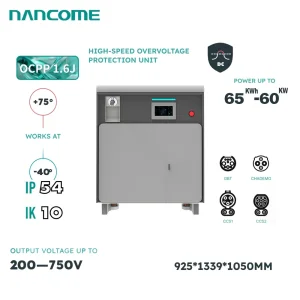
Explore our premium factory-direct charging cabinets, energy storage complexes, and integrated EVSE components ready for international distribution.
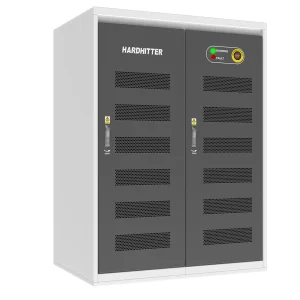
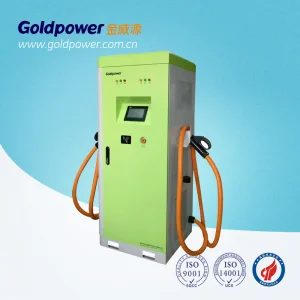
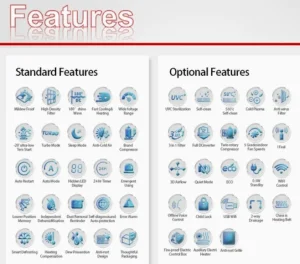
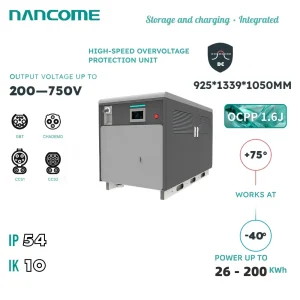

The convergence of power electronics, hardware standards, and secure transaction systems dictates modern factory compliance.
The global EV charging ecosystem is rapidly transitioning away from closed, proprietary membership RFID schemes towards universal open-loop contactless EMV transaction systems. Charge point operators (CPOs) and commercial sites must implement hardware that permits ad-hoc card readers and mobile wallets to satisfy regulatory frameworks like the European AFIR mandate.
ISO 15118 establishes secure certificate handshakes directly between the vehicle's onboard charger (OBC) and the supply equipment (EVSE). Payment processing systems must natively link cryptographic digital certificates with credit-backed accounts to allow automatic billing immediately upon coupling the charger to the electric vehicle.
For factory owners deploying charging hubs internationally, the integration of multi-currency cross-border settlement channels is non-negotiable. Leading gateways automatically localize exchange rates and route transactions through local acquirers to lower processing overhead down to standard regional rates.
In the highly regulated arena of high-power public infrastructure, payment processing is no longer a secondary component; it is a core feature of engineering architecture. As modern factories manufacture split DC systems, liquid-cooled dispensers, and dual-gun cabinets, they must integrate payment modules directly into the industrial design of the EVSE chassis. These configurations require rigorous certification protocols to operate reliably outdoors and process secure transactional tokens under heavy environmental stress.
Globally, government initiatives are enforcing public payment capabilities on newly installed charging hardware. The European Union's Alternative Fuels Infrastructure Regulation (AFIR) mandates that fast chargers above 50 kW must feature contactless payment terminals or QR-code based mechanisms. In North America, the National Electric Vehicle Infrastructure (NEVI) program introduces strict requirements for open payment access, driver data protection, and transparent tariff displays. EVSE manufacturers must therefore design hardware and select processing systems that support standard open payment protocols and allow dynamic, real-time price disclosures on the charger display.
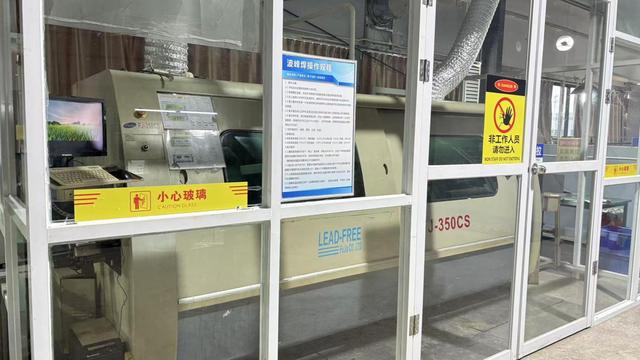
Under China's Factory 4.0 paradigms, the assembly lines of Shenzhen Quantum Charge Co., Ltd. and other leading EVSE manufacturers utilize robotic assembly and automated optical inspection. Crucially, the payment board itself is undergoing digital integration. By utilizing modular Industrial PCs (IPCs) or advanced microcontrollers within the cabinet, factories can preload OCPP 1.6J or OCPP 2.0.1 JSON client configurations. This allows the physical Point of Sale (POS) terminal to communicate directly with both the internal energy controller and the cloud back-office, minimizing transactional latency and local failure points.
Global procurement teams targeting heavy machinery, industrial air conditioners, battery energy storage systems (BESS), and DC fast chargers evaluate total cost of ownership (TCO). Standardizing on a payment processing vendor with global cross-border acquiring limits custom engineering requirements. Procurement specialists look for pre-certified hardware integrations (such as Pax, Ingenico, or Nayax modules) that are pre-configured to communicate with regional payment networks. This reduces the time-to-market for imported systems and minimizes custom local validation costs.
An in-depth technical analysis of the leading payment processors, gatekeepers, and software suites optimized for EV charging stations and commercial factory operations.
Stripe provides a robust set of API-driven infrastructure tools for EV charging networks. With Stripe Connect, CPOs can manage split payouts, route convenience fees, and dynamically split transactions between the factory host, land owner, and electric utility. Stripe's terminal SDKs allow developers to build customized user flows on Android-based EVSE screens, linking card presenters to cloud-based payment intents.
Adyen is a globally consolidated merchant acquirer supporting card payments, mobile wallets, and local payment methods under a single software platform. Adyen offers industrial-grade POS terminals, such as the Castles and Verifone lines, which can be retrofitted directly into DC fast chargers. Its unified dashboard provides detailed transaction details across multiple continents, simplifying financial reconciliation for international fleets.
Nayax specializes in cashless solutions for unattended machinery, offering complete end-to-end telemetry and payment processing. Its VPOS Touch and Onyx readers are widely integrated by EVSE manufacturers worldwide. Nayax supports international card schemes, local debit options, and QR codes, while its management suite allows remote power adjustments and operational tracking over 4G LTE connections.
Worldpay is a prominent payment gateway for high-volume enterprise deployments. It handles processing for large charging networks, municipality fleets, and multi-tenant commercial installations. Worldpay's secure payment terminals offer physical robustness, including impact resistance (IK10 ratings) and water protection (IP65 ratings) required for rugged industrial operations.
Braintree excels in mobile-first and app-based transaction flows. EV charging operators utilizing native iOS or Android mobile applications can leverage Braintree to support Apple Pay, Google Pay, PayPal, and standard debit/credit cards. Its vaulting technology securely saves driver credentials, facilitating card-on-file billing and subscription models for residential and workplace charging networks.
Based in Europe, CCV is a prominent player in self-service and unattended payment processing. Their solutions comply with strict European regulations, including the PSD2 Strong Customer Authentication (SCA) directive. CCV's IM30 and OPM modules integrate seamlessly with OCPP-compliant back-office software to enable dynamic ad-hoc pricing displays.
Moneris is Canada's largest payment processor and a primary choice for North American EV charging networks. It provides merchant acquiring and terminal hardware tailored for cold-weather operations. Its outdoor terminals feature operating temperature tolerances down to -30°C, ensuring reliable operation in northern fleet yards and industrial settings.
Pax offers Android-based payment terminals designed for self-service kiosks. The Pax IM30 integrates directly into EVSE enclosures via standard MDB or RS232 protocols. Featuring a high-resolution touchscreen, a built-in camera for QR scanning, and robust card readers, the IM30 allows manufacturers to combine charge status displays and advertisements on a single user interface.
Ingenico's Self/3000 and Self/4000 series terminals are engineered specifically for demanding, unattended public outdoor environments. With IK10 impact ratings and IP65 dust and water protection, these terminals are suitable for installation on heavy-duty DC fast charging pedestals. They support contactless EMV, chip-and-PIN, and magnetic stripe transactions under a unified security architecture.
Shift4 specializes in processing solutions for large commercial complexes, hospitality chains, and industrial networks. Offering secure P2PE (Point-to-Point Encryption) and zero-cost gateway solutions, Shift4 helps charging operators minimize recurring transaction costs. Its modular APIs integrate with fleet management platforms for streamlined commercial billing.
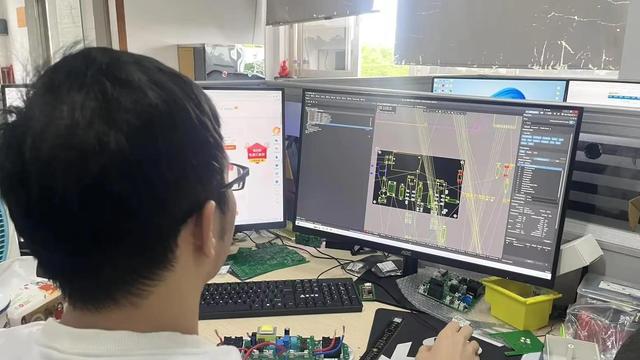
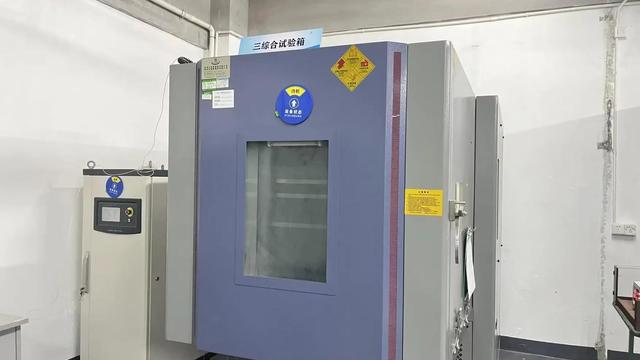
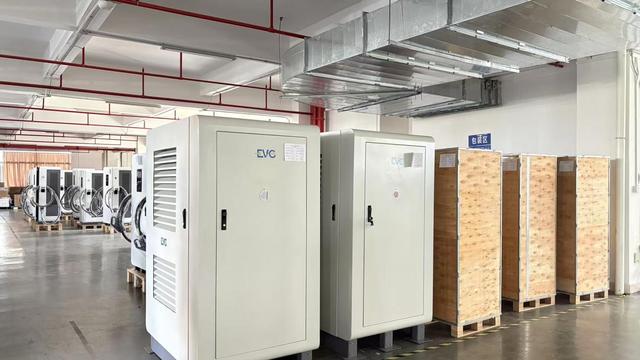
Modern industrial sites demand more than just standard components; they require highly integrated subsystems that function reliably under variable workloads. China's advanced manufacturing hubs lead this transition by combining R&D with cost-optimized production lines. By manufacturing EV chargers, storage units, and air distribution equipment in close proximity, factories can maintain strict quality control while accelerating development cycles.
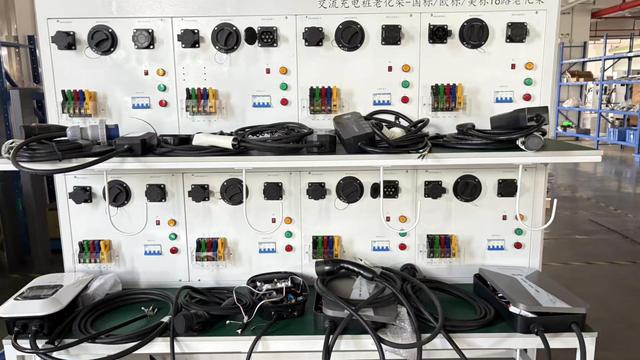
Rather than relying on post-production retrofitting, leading manufacturers integrate payment terminals directly into the production line. During the sheet metal fabrication and structural engineering phases, precise physical tolerances are maintained for terminals like the Pax IM30 or Ingenico Self/3000. Additionally, during system testing, payment controllers undergo automated verification to check communication over RS232, USB, or Ethernet interfaces. Integrating the hardware at this stage ensures consistent outdoor protection ratings and reduces installation complexities in the field.
Modern charging stations rely on dynamic power sharing, where energy is allocated in real time based on vehicle demand and grid conditions. Payment processors must adapt to this model by supporting pre-authorization and final settlement. The system pre-authorizes a set amount (e.g., $50) at the start of the session, and then calculates the final transaction based on the exact kilowatt-hours delivered and any parking fees. Integrating the payment system with the station's controller ensures accurate billing while protecting operators from transaction defaults.
Shenzhen Quantum Charge Co., Ltd. is a professional manufacturer specializing in DC fast EV charging solutions, delivering smart and high-power charging systems for the rapidly evolving electric mobility industry. With a strong commitment to innovation, efficiency, and sustainability, the company provides reliable charging infrastructure for commercial, public, and fleet applications worldwide.
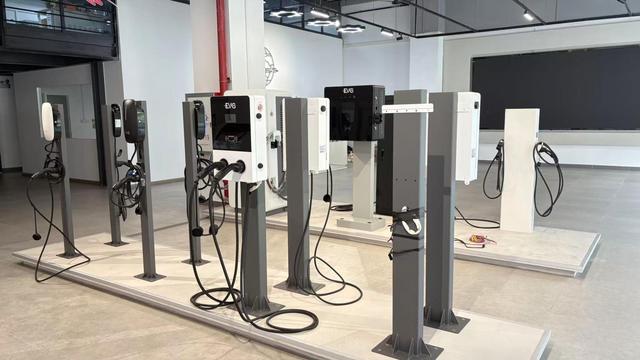
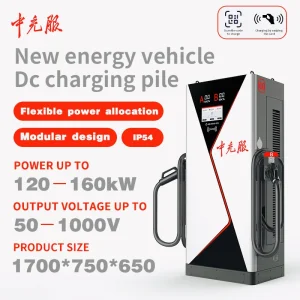
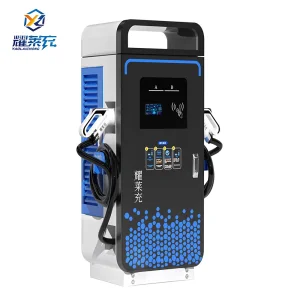
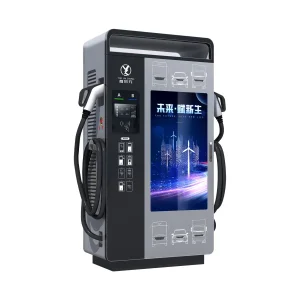
Quantum Charge offers a comprehensive portfolio of products, including high-power DC fast chargers, ultra-fast charging stations, integrated charging cabinets, and networked smart charging systems. Designed to support a wide range of electric vehicles, its solutions ensure fast charging speeds, stable performance, and seamless user experience across various operating environments.
Driven by advanced R&D capabilities, the company integrates cutting-edge technologies such as intelligent energy management, IoT connectivity, and OCPP-compatible platforms. These features enable remote monitoring, data analysis, and efficient operation management, helping customers optimize energy usage and reduce operational costs.
Shenzhen Quantum Charge adheres to strict quality control standards and complies with international certifications to ensure safety, durability, and long-term reliability. The company also offers flexible OEM/ODM services to meet diverse global market requirements.
With a growing global footprint, Quantum Charge continues to empower the transition to clean energy by providing scalable, efficient, and future-ready EV charging solutions for modern transportation infrastructure.





Addressing the technical, security, and protocol-specific queries commonly encountered by system integrators and fleet managers.
Premium OEM charging equipment and energy components designed for global commercial installations.
 Quantum Charge