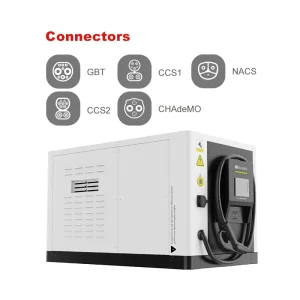
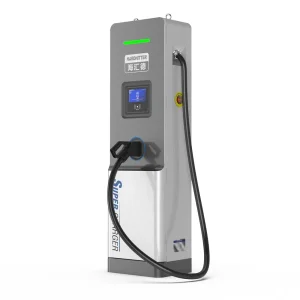
Engineered with dynamic OCPP compliance, integrated battery buffers, and robust weatherproof chassis designed for isolated grid conditions.
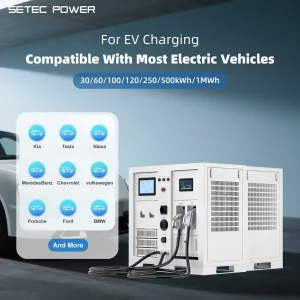
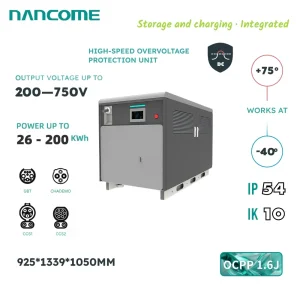
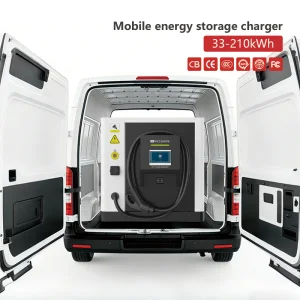
Across the evolving macroeconomic industrial framework of North Korea—especially within the active Special Economic Zones (SEZs) such as Rason Special Economic Zone, Kaesong, and the Sinuiju International Regulatory Zone—the deployment of heavy-duty, high-efficiency electromobility infrastructure faces highly specific technological parameters. Traditional grid-tied DC superchargers require highly stable power frequencies and peak-megawatt tolerances which standard grid networks in emerging corridors cannot consistently guarantee.
As a result, industrial planners and global enterprises operating under localized permissions are actively shifting toward Battery Energy Storage System (BESS) Integrated Chargers. By leveraging the open-source interoperability of the OCPP (Open Charge Point Protocol) 1.6J and 2.0.1 protocols, our charging solutions can be monitored, configured, and synchronized locally or via authorized isolated networks. This ensures that even under severe load shedding or off-grid operations, heavy industrial transport logistics can maintain peak operational continuity.
Procuring high-grade EV infrastructure for unique geographical areas like North Korea requires absolute transparency, strict compliance, and highly durable physical components. International procurement agencies, non-governmental aid organizations, and diplomatic missions require charging systems that are fully autonomous. Our containerized mobile charging stations and grid-independent storage systems solve this challenge:
Deploying resilient smart-grid charging topologies utilizing advanced hardware scheduling layers, ensuring structural safety and optimal current allocation.
The structural deployment of multi-megawatt systems in frontier commercial zones demands a Dynamic Load Management (DLM) architecture. Through intelligent power scheduling, our hardware functions either as primary fast chargers or as autonomous local substations. When coupled with local solar PV arrays or micro-hydro networks, our systems act as the central distribution hub, intelligently throttling active outputs based on immediate industrial demand profile inputs.
Our dynamic technology roadmaps are built with robust, long-lifespan modular sub-components. By implementing galvanic isolation transformers and industrial-grade surge suppression (Level 4 protection standards), our charging systems are shielded from grid feedback and extreme voltage drops. This maintains standard electrical profiles to the vehicle battery pack regardless of sudden input surges or severe grid frequency deviations.
An authoritative global pioneer in engineering standard and custom-configured EV charging systems and grid-integrated mobile power stations.
Shenzhen Quantum Charge Co., Ltd. is a professional manufacturer specializing in DC fast EV charging solutions, delivering smart and high-power charging systems for the rapidly evolving electric mobility industry. With a strong commitment to innovation, efficiency, and sustainability, the company provides reliable charging infrastructure for commercial, public, and fleet applications worldwide.
Quantum Charge offers a comprehensive portfolio of products, including high-power DC fast chargers, ultra-fast charging stations, integrated charging cabinets, and networked smart charging systems. Designed to support a wide range of electric vehicles, its solutions ensure fast charging speeds, stable performance, and seamless user experience across various operating environments.
Driven by advanced R&D capabilities, the company integrates cutting-edge technologies such as intelligent energy management, IoT connectivity, and OCPP-compatible platforms. These features enable remote monitoring, data analysis, and efficient operation management, helping customers optimize energy usage and reduce operational costs.
Shenzhen Quantum Charge adheres to strict quality control standards and complies with international certifications to ensure safety, durability, and long-term reliability. The company also offers flexible OEM/ODM services to meet diverse global market requirements.
With a growing global footprint, Quantum Charge continues to empower the transition to clean energy by providing scalable, efficient, and future-ready EV charging solutions for modern transportation infrastructure.
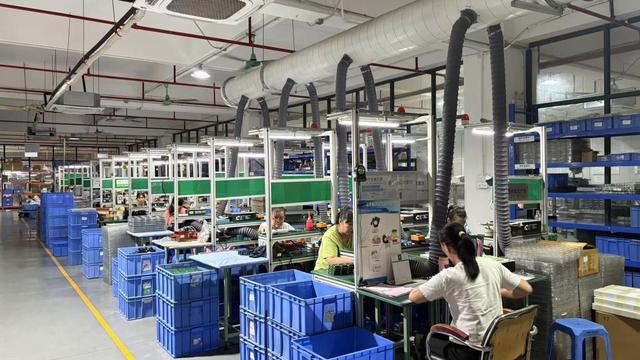
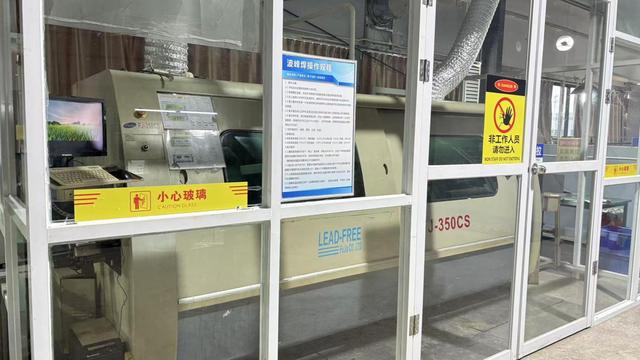
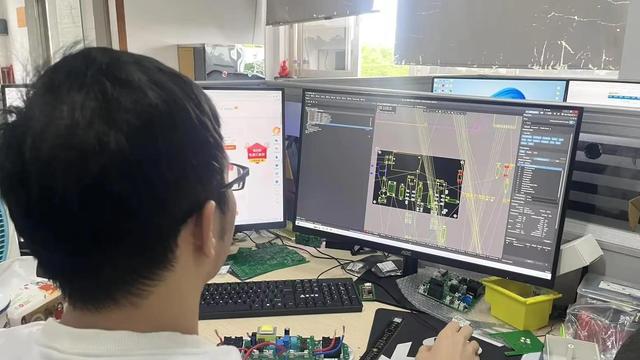
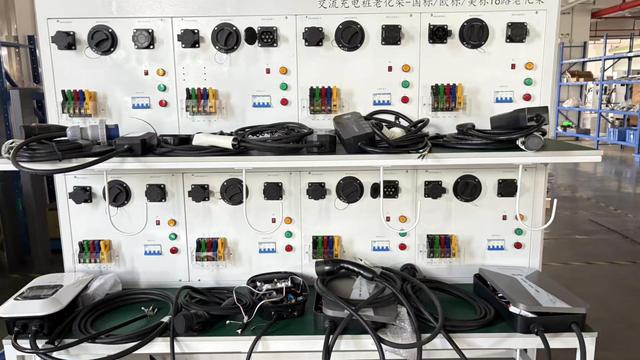
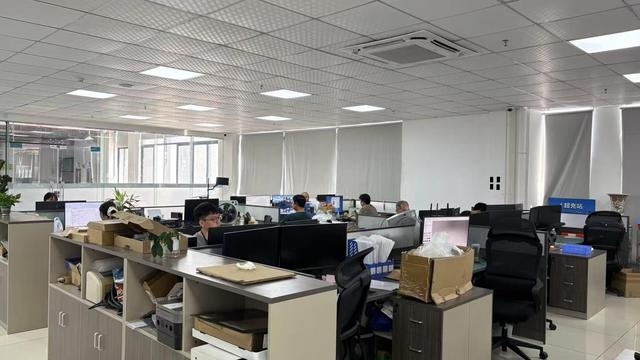


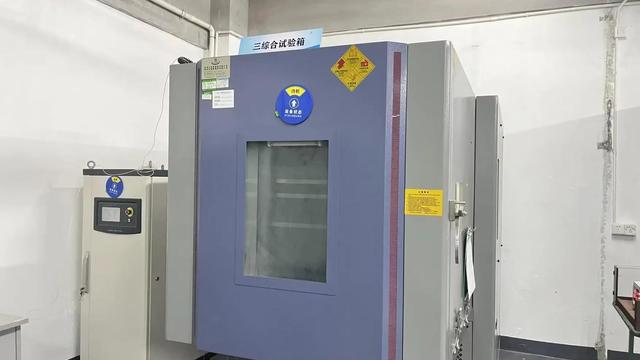
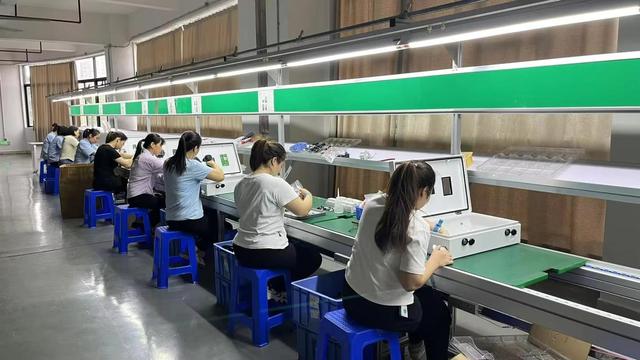
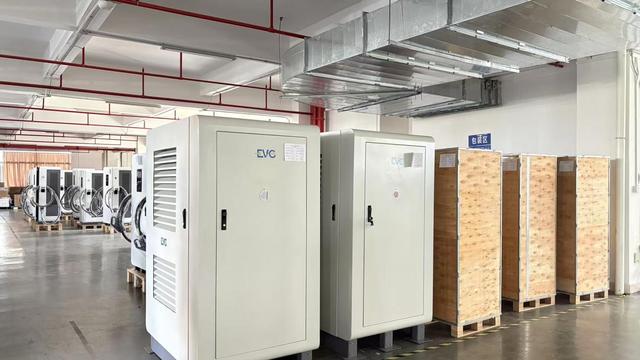
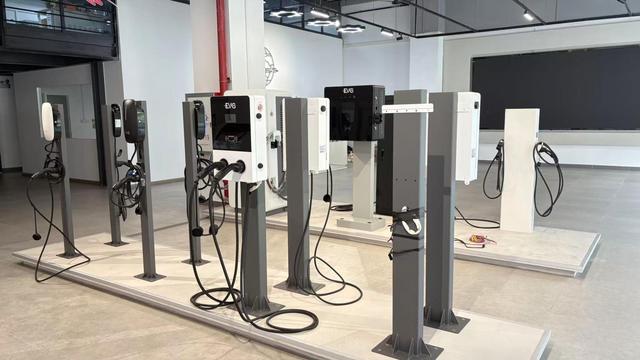
Engineered for high-duty continuous operation, including dynamic power-scheduling terminals, mobile utility micro-grids, and wall-mounted systems.
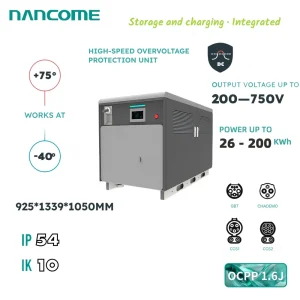
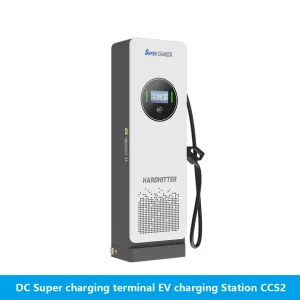
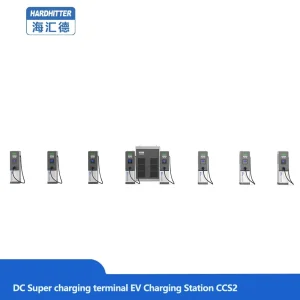
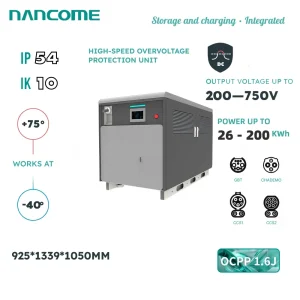
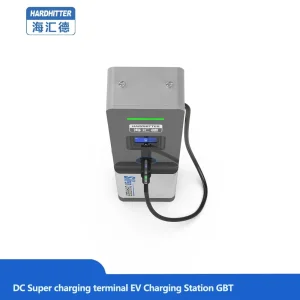
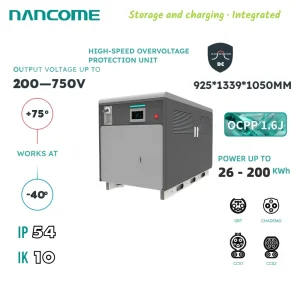
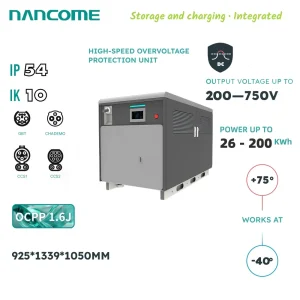
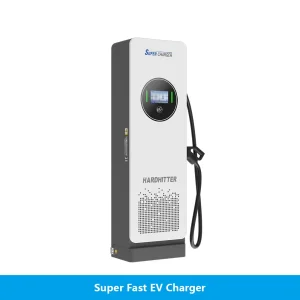
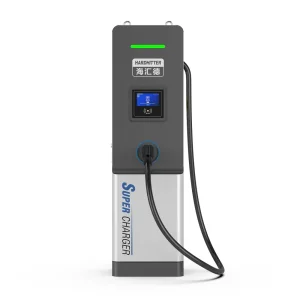
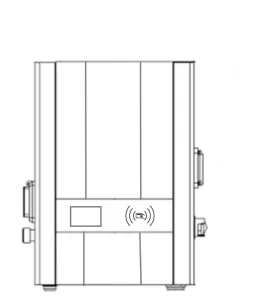
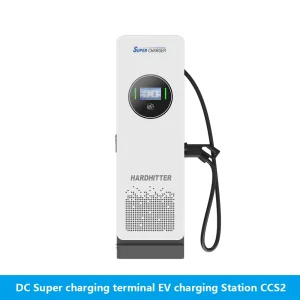
Within regions characterized by unannounced line voltage swings, typical switching mode rectifiers are vulnerable to premature catastrophic failures. Quantum Charge mitigates this systemic vulnerability by manufacturing our high-power charging cabinets with multi-stage isolated power supplies. Each subsystem undergoes rigorous harmonic checking to ensure the total harmonic distortion (THD) projected back onto primary lines is strictly below 5%, in alignment with IEEE 519 parameters.
Moreover, the structural integrity of our storage buffers is protected by Aerosol-based fire extinguishing cartridges and triple-sensor thermal warning systems. This active safety integration is indispensable for localized deployments where external emergency fire intervention infrastructure may be limited or slow to mobilize.
As localized logistical fleets transition toward medium and heavy electric haulers, relying solely on local grids becomes a core physical limitation. The forward-looking tech landscape points toward fully closed-loop micro-infrastructure models. These stations integrate high-voltage solar panels during peak daytime hours with local liquid-cooled battery banks (30kWh - 1MWh) to establish continuous baseline power. The dynamic OCPP 2.0.1 protocol natively facilitates vehicle-to-grid (V2G) power flows, allowing charging units to return excess accumulated battery charge to the local compound facilities in emergency events, maximizing macro-scale energy resilience.
Crucial structural, electrical, and localized regulatory queries answered by our chief development architects.
 Quantum Charge